You find a K-POP album you want to buy. You go to the store page. There are six versions. Version A, B, C, D — plus a Digipack and a Limited Edition. They all seem to be the same album. The prices are different. What's in them? Why do they exist? Which one do you actually need?
This is one of the most confusing experiences for new fans entering K-POP. Here's the complete breakdown.
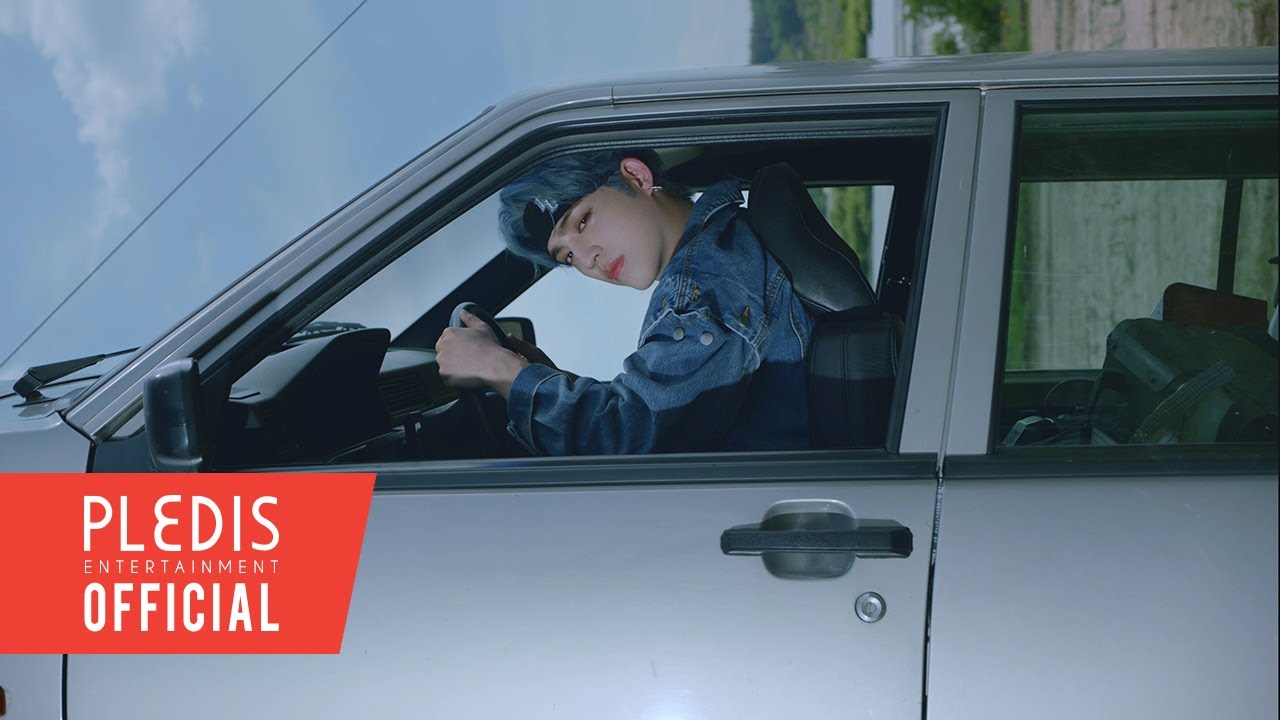
SEVENTEEN · Left & Right · PLEDIS Entertainment
Why Does One Album Have Multiple Versions?
The short answer is that K-POP albums are not just music delivery vehicles — they're collectible merchandise. The physical album is the packaging for a fan experience that includes photocards, photo books, posters, and sometimes additional items like postcards, lyric booklets, or stickers.
Each version typically features:
- A different photo book concept (different styling, color palette, mood)
- Different random photocards from that version's photocard set
- Sometimes version-exclusive items (posters with different designs, etc.)
Since photocards are random within each version, fans who want to maximize their chances of getting their bias's card buy multiple copies — often across versions. This is intentional design. The randomness creates a trading economy and repeat purchases that a single definitive album never would.
There's also a chart dimension. In South Korea, album sales are tracked by Hanteo and Gaon charts in real time. First-week sales (called 초동, chodong) are a major metric for measuring a group's popularity and commercial success. Multiple versions with different collectibles spread purchasing across the fanbase and drive up that first-week total.
Common Album Version Types Explained
📦 Regular Edition (Jewel Case / Standard)
The most widely available format. Comes in a standard CD case or similar packaging. Usually released in multiple versions (Version A, B, C…) with different photo book concepts and photocards. This is the baseline format and what most fans buy as their core purchase.
📗 Digipack
A slimmer, folded cardboard format — similar to a book cover around a CD tray. Lighter, more compact, and typically cheaper than the Regular Edition. Often favored by international fans because lower weight means significantly cheaper shipping. May be a separate "fan selection" or "random" version with different photocards.
📱 Weverse Album / Platform Album (No-CD)
A newer format that contains no physical CD. Instead, you get a small physical package (photocard, photo book, NFC card or QR code) and access the music digitally via an app like Weverse. Lower price point, lower environmental impact. Still counts toward chart sales. Increasingly common from HYBE artists.
🎁 Limited Edition
Usually more expensive. May include a larger photo book, additional photo cards, special packaging (box sets, acrylic stands, extra booklets), or content not in the standard versions. Often available in limited quantities and sells out quickly. Good for fans who want the most complete physical experience.
🏪 POB (Pre-Order Benefit) Version
Not a separate version of the album itself, but an extra item you receive for ordering before the album's official release date. Often a store-exclusive photocard — different stores offer different POB photocards. This is why fans sometimes place orders at multiple stores: to collect every POB card from each retailer.
What's Actually Inside a K-POP Album?
| Item | What It Is | Notes |
|---|---|---|
| CD | Physical disc with all tracks | Same in every version. Not in Weverse Album format. |
| Photo Book | Full-color printed booklet with idol photos | Different concept/styling per version. Usually 80–120 pages. |
| Photocards | Small collectible cards with member photos | Randomly selected. Typically 1–2 cards per album. Most traded item. |
| Poster | Folded poster inside the album | Not always included. Design varies by version. |
| Lyric Booklet | Song lyrics, sometimes with artwork | Usually included in all versions. |
| Stickers / Postcards | Decorative extras | Varies by album and agency. Not always included. |
| Special Inclusions | Mini photobook, film, messages, etc. | Limited or special edition exclusives. |
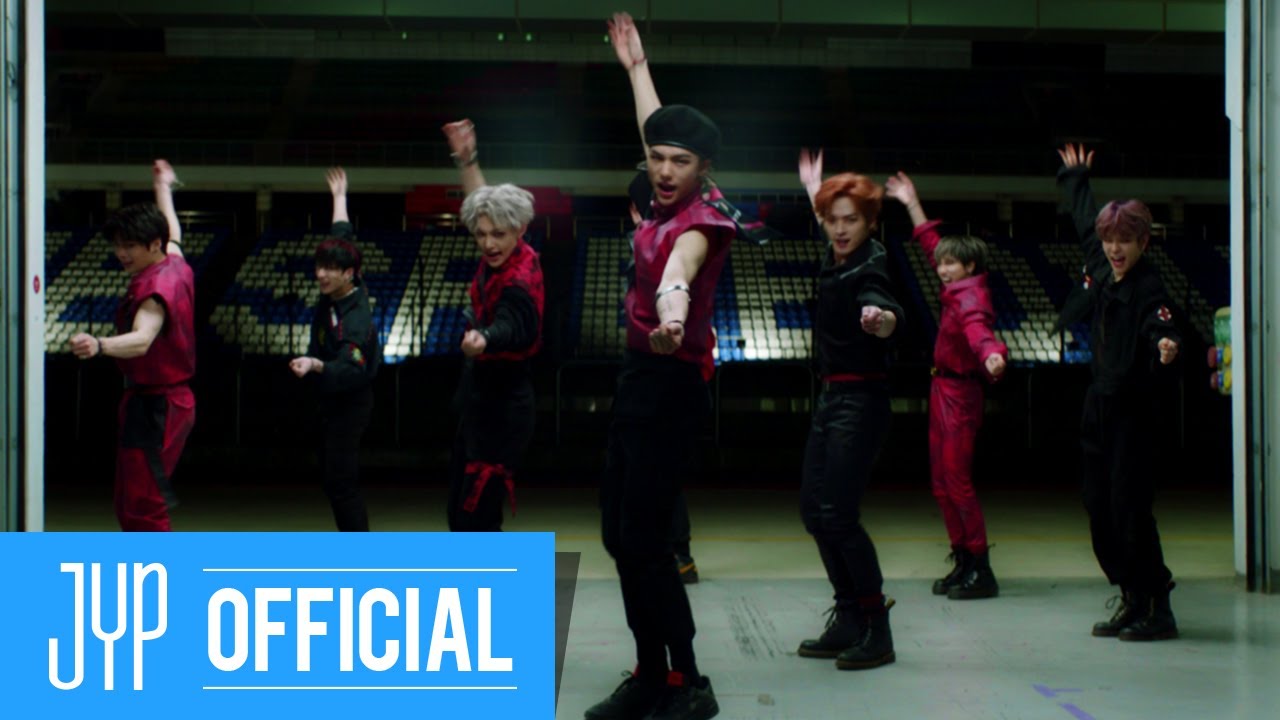
Stray Kids · God's Menu · JYP Entertainment
Which Version Should You Buy?
For most new fans, the honest answer is: one copy of whichever version appeals to you visually. All versions have the same music. The differences are in the physical collectibles.
Consider your goals:
- You just want the music + one nice physical album: Buy whichever Regular Edition version has the photo book concept you like best. Often labeled Version A/B/C or themed versions.
- You want your bias's photocard: Since photocards are random, buy multiple copies — ideally across versions — to increase your chances. Or buy from the secondary market where fans trade specific cards.
- You're international and worried about shipping costs: Digipack or Weverse Album formats are lighter and cheaper to ship. Multiple copies fit in one shipping parcel more easily.
- You want the most complete physical set: Buy all versions including Limited Edition. This is expensive and for serious collectors — not a beginner requirement.
FAQ: K-POP Album Versions
Do all versions have the same songs?
Yes. Every version of the same album contains the same full tracklist on the CD. The differences are entirely in the physical packaging — photo book, photocards, format, and any version-specific extras.
What is "pulling your bias"?
Getting a photocard of your favorite member (your "bias") randomly from an album. Since photocards are distributed randomly within each version, pulling your bias is partly luck. "I pulled my bias three times in a row" is the sort of thing fans celebrate with genuine joy.
Does buying multiple versions count multiple times for charts?
Yes — each physical copy purchased counts as one sale on Hanteo and Gaon. This is why organized fan buying (fan union mass orders, album buying parties) directly affects first-week chart numbers. It's part of why groups with large dedicated fanbases consistently post large first-week numbers.
What's a "random" version?
Some albums ship "random" — you don't choose which version you get, it's assigned randomly. This is common for Digipack editions and is often the format used for fansign entry (where buying multiple copies increases your chances of being selected for a fansign event).
What's the difference between a mini album, full album, and single?
In K-POP, a single typically has 1–2 tracks. A mini album (EP) has 4–8 tracks and is the most common release format. A full album (정규앨범) has 10 or more tracks and is considered a major release — groups release them less frequently. A repackage is a reissue of a previous album with 1–3 bonus tracks added.
Comments
Post a Comment