You're reading album credits and notice something: the same member's name keeps appearing under "Lyrics," "Composition," and "Arrangement" — not just "Vocals." That's not a coincidence, and it's not unusual. Welcome to the world of the K-POP producer idol.
A growing number of idols aren't just performers — they're actively shaping the music they release, sometimes writing entire albums for their own group and others. Here's how that works and why it matters to how you understand a group's identity.
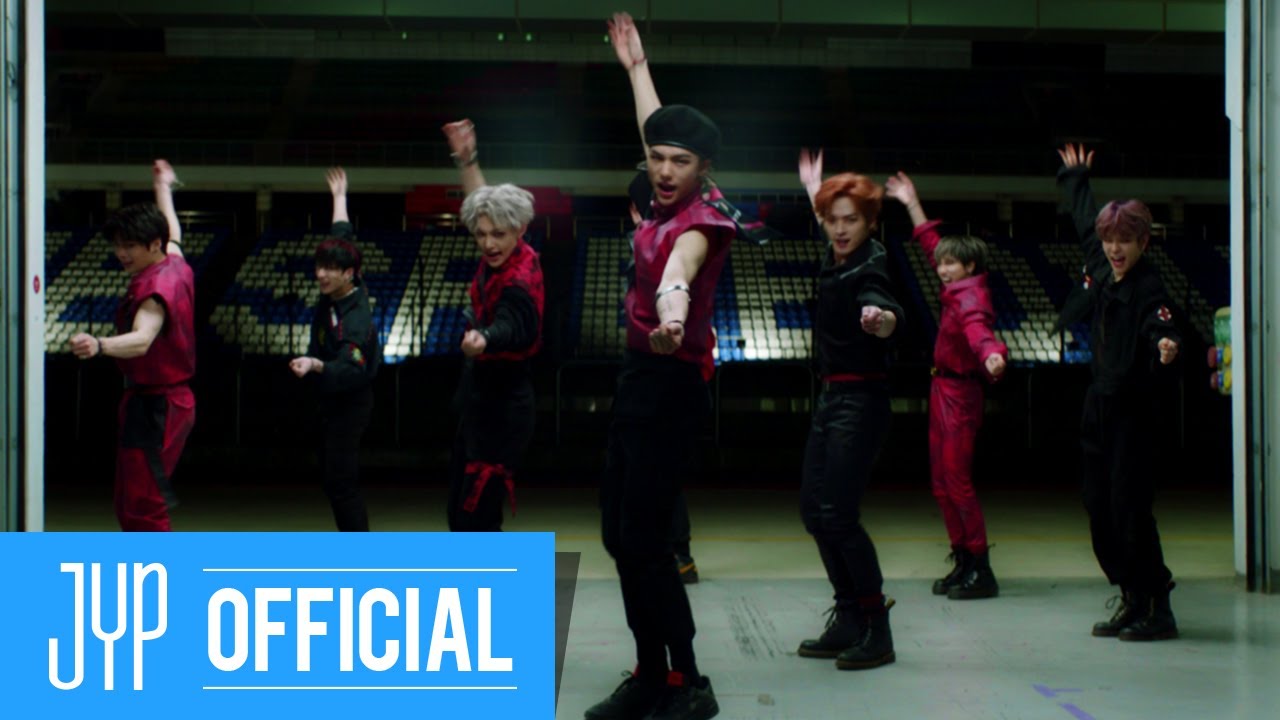
Stray Kids · God's Menu · JYP Entertainment
How Producer Idols Actually Work
In a standard K-POP production model, professional songwriters and composers (often not affiliated with the group at all) write the tracks, which are then assigned to a group based on their concept and vocal range. The idols perform the material but have limited input into its creation.
Producer idols disrupt that model. Depending on the artist, involvement can range from:
- Co-writing lyrics — contributing verses or full lyric sheets while professional composers handle the instrumental.
- Composition credit — writing melodies or chord progressions that outside producers then arrange.
- Full production — writing, composing, arranging, and mixing entire tracks independently, sometimes releasing music with essentially no outside creative input.
Some idols extend this into producing for other artists entirely — writing or producing songs released by different groups, sometimes under their own name as a credited producer, separate from their idol identity.
Notable K-POP Producer Idols
🎹 3RACHA (Stray Kids' Bang Chan, Changbin, Han)
Formed as a producing unit before Stray Kids even debuted. 3RACHA writes and produces the overwhelming majority of Stray Kids' discography, giving the group one of the most sonically consistent and distinctive identities in 4th gen K-POP. Their credits extend to work for other JYP artists as well.
🎹 Soyeon ((G)I-DLE)
Leader and primary producer of (G)I-DLE, credited on nearly every title track the group has released. Known for a genre-shifting production style — from dark hip-hop to theatrical pop to R&B — that has made (G)I-DLE one of the most critically respected self-produced acts in the industry.
🎹 RM & Suga (BTS)
Both have extensive production and songwriting credits across BTS's catalog dating back to their earliest mixtapes. Suga (under the alias Agust D) has an extensive solo production discography. RM has produced and written across BTS eras while also releasing solo albums with substantial creative control.
🎹 Zico (Block B, formerly)
One of the pioneering idol-producers of the 2nd/3rd gen transition, Zico wrote and produced extensively for Block B before establishing an independent solo career as a hip-hop artist and producer for other acts.
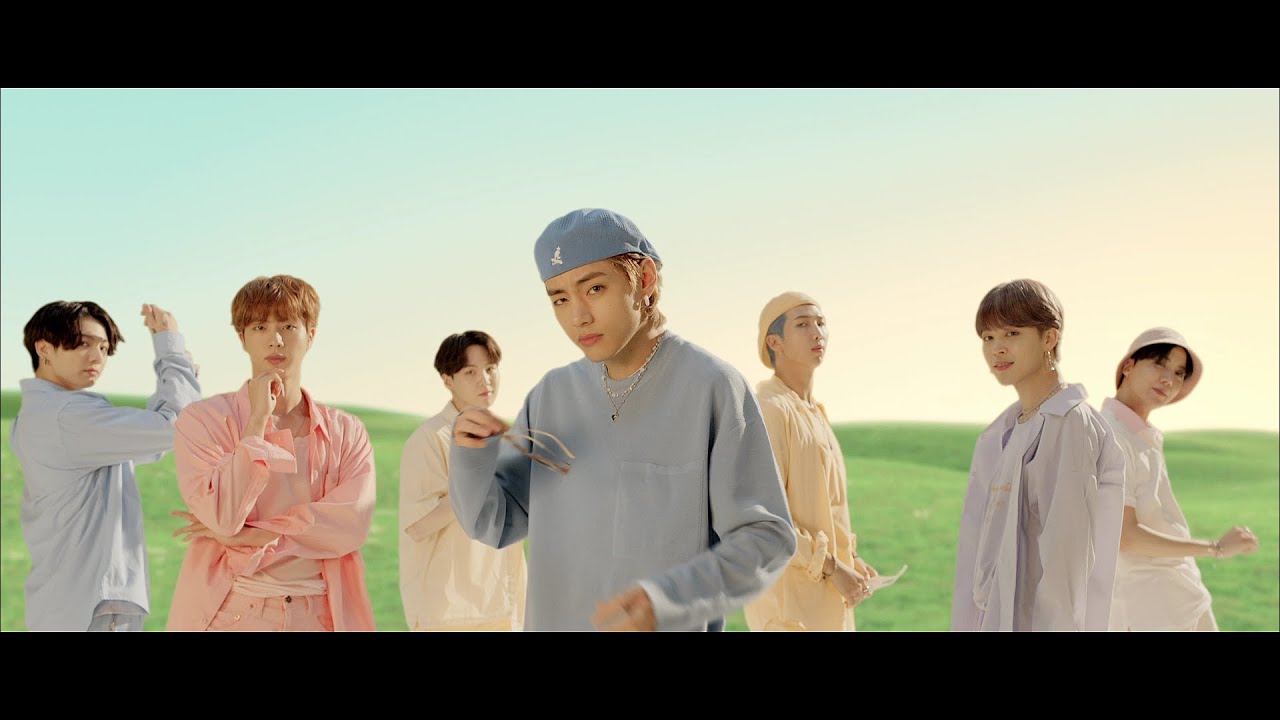
BTS · Dynamite · HYBE
Why This Distinction Matters for Fans
Understanding whether a group is self-produced changes how you interpret their music. A group like Stray Kids releasing a harder, more experimental sound isn't just an agency marketing decision — it reflects 3RACHA's actual creative direction and personal taste. When (G)I-DLE shifts genres between comebacks, that's Soyeon's artistic range on display, not just a company repositioning the group.
It also affects how fans discuss authenticity and credibility within K-POP fan culture. Self-produced groups are often given more critical respect in music discourse — treated less as "manufactured pop" and more as bands with genuine creative authorship, similar to how Western audiences discuss singer-songwriters versus manufactured pop acts.
That said, this distinction shouldn't be used to dismiss fully agency-produced groups. Plenty of extraordinary K-POP music comes from professional songwriting teams working with artists who bring exceptional performance skill rather than production credits — the systems are different, not hierarchical.
FAQ: K-POP Producer Idols
Do producer idols get paid extra for writing songs?
Yes — songwriting and composition credits generate separate royalty income through Korea's music copyright system (KOMCA), distinct from performance income. This is one reason producer idols can build significant independent wealth even within group structures, and why the role is professionally desirable beyond creative control.
Can any idol become a producer, or does it require special training?
Most producer idols develop the skill through dedicated training in composition and production — sometimes before debut, sometimes acquired during their careers. Agencies increasingly identify and cultivate this talent early, recognizing the commercial and creative value of an in-house producer within a group.
Do producer idols write for other groups too?
Often yes. Many producer idols are credited on tracks for other artists at their own agency or beyond, functioning as working producers in the broader industry alongside their idol career. This is especially common for members who've built strong reputations, like 3RACHA and Zico.
Comments
Post a Comment