An "era" in K-pop is the full visual, musical, and conceptual identity built around one comeback — covering the album's sound, the members' hair and styling, the choreography, and even the social media aesthetic, all locked to one theme until the next comeback resets it. Fans use era names ("the [Album Name] era") as shorthand for a specific time period in a group's career.
Why K-pop groups think in "eras" at all
Unlike most Western pop acts that release singles somewhat independently, K-pop labels plan comebacks as fully integrated packages — music, styling, and promotion are designed together from the start. This makes each comeback feel like a distinct chapter rather than just a new song, which is exactly why fans started using "era" as a label: it captures everything happening around the release, not just the title track.
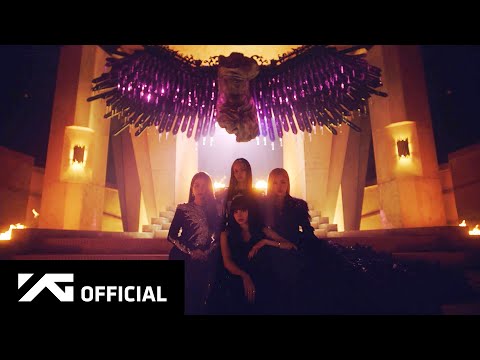
BLACKPINK · How You Like That · YG Entertainment · via YouTube
What actually gets built for one era
A single era typically includes a title track and B-sides with a unified sound, individual and group concept photos, a matching music video aesthetic, stage outfits designed specifically for that comeback's choreography, and a social media rollout (teaser images, short clips) that all share the same color palette and mood. Labels often hire different stylists, photographers, and set designers per era specifically to keep each one visually distinct from the last.
Common concept types you'll see repeated
- Cute/bright concept — pastel styling, upbeat tempo, playful choreography.
- Dark/powerful concept — moodier lighting, sharper choreography, often a "concept trailer" released ahead of the MV.
- Retro concept — references to 80s/90s Korean or Western pop styling and instrumentation.
- Storyline concept — connected music videos that build a narrative across multiple comebacks (common with boy groups especially).
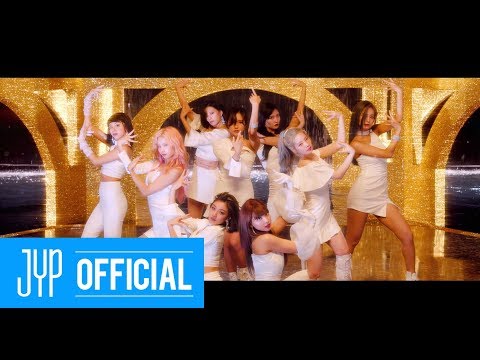
TWICE · Feel Special · JYP Entertainment · via YouTube
Groups often alternate deliberately between concept types from one era to the next specifically to avoid audience fatigue — a cute-concept comeback is frequently followed by something darker or more mature, partly as a marketing strategy and partly to give members room to show range as performers.

EXO · Ko Ko Bop · SM Entertainment · via YouTube
If a group suddenly does a "concept trailer" video with no song attached, that's not a new comeback being teased loosely — it's an intentional, scheduled part of the era rollout, usually dropped 1–2 weeks before the actual single to build narrative hype.
How long does one era usually last?
| Phase | Typical Duration |
|---|---|
| Teaser rollout | 1–3 weeks before release |
| Active promotion (music shows) | 2–4 weeks after release |
| "Era" identity in use | Until the next comeback is announced |
Most groups officially promote a comeback for about a month on music shows, but fans continue referring to that era's styling and sound until a new comeback formally replaces it — sometimes months later if the group goes on hiatus.
- Q: Is "era" an official industry term or just fan slang?
- It's fan-coined, not an official label term — labels typically just call it a comeback or promotion cycle internally.
- Q: Can a group have more than one era happening at the same time?
- Yes, especially with sub-units or simultaneous domestic/Japan releases, though this is less common and usually intentional for cross-market strategy.
Comments
Post a Comment