An "anti" is someone who actively dislikes a specific idol or group and posts negative, sometimes harassing content about them online — distinct from a critic who simply isn't a fan, or a fan who occasionally disagrees with a group's choices. Antis range from casual hate-commenters to organized accounts that coordinate harassment campaigns, and most fandoms develop unofficial norms for how to respond without escalating things further.
What actually makes someone an "anti"?
The label isn't applied to anyone who simply isn't a fan, or who criticizes a specific decision a group or label made. An anti is defined by sustained, often personal negativity directed at a specific idol — repeated hate comments, deliberately spreading rumors, or organizing coordinated harassment (mass-reporting an idol's content, flooding comment sections, or creating accounts specifically to mock or attack them). The key distinction fans draw is intent and persistence: a one-off critical comment isn't anti behavior, but a pattern of targeted hostility is.

EXO · Ko Ko Bop · SM Entertainment · via YouTube
Why do antis exist in K-pop specifically?
A few factors make K-pop fandom spaces especially prone to this. The industry's parasocial closeness (idols sharing personal content constantly through Weverse, Bubble, and livestreams) gives critics far more material to fixate on than most Western pop stars provide. Rival fandom tension also plays a role — some anti accounts originate from fans of a competing group rather than genuine outsiders. And because K-pop comment sections are often multilingual and globally distributed, moderation is inconsistent across platforms, making it easier for hostile accounts to operate without consequence.
How idols and labels typically respond
Most labels have a formal policy for severe cases — legal action against accounts that post threats, doxx personal information, or spread defamatory rumors, particularly in Korea where defamation law is aggressively enforced compared to many Western countries. For lower-level hate comments, labels and idols themselves usually choose not to directly engage, since responding tends to amplify the content rather than reduce it. Some idols have addressed antis directly during livestreams or interviews, generally framing it as something they've learned to compartmentalize rather than something that defines their daily experience.
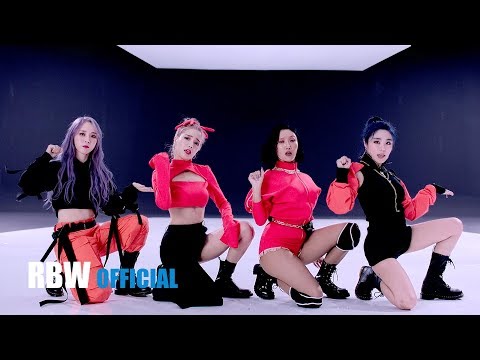
MAMAMOO · HIP · RBW · via YouTube
Legal cases against severe anti accounts have become more common since around 2020, with several major labels publicly confirming they pursue identification and prosecution of accounts engaged in sustained harassment or threats — this is treated as a serious operational issue, not just a PR concern.
If you see hate content about an idol, the fandom norm is almost always "don't engage, report and move on" — replying to anti accounts (even to argue against them) usually boosts the content's visibility through engagement, which works against what you're trying to do.
How fans are expected to respond (and not respond)
Most established fandoms actively discourage members from "anti-ing back" — retaliating against a perceived anti by harassing them in return, digging into their identity, or organizing counter-campaigns. This usually escalates rather than resolves the situation, and can expose fans to the same legal and platform risks they're trying to push back against. The more accepted approach is reporting genuinely harmful content through the platform's official tools and otherwise not amplifying it with replies, screenshots, or commentary.

NewJeans · Supernatural · ADOR · via YouTube
| Behavior | Is It "Anti" Behavior? |
|---|---|
| Saying you don't like a group's new concept | No — that's a normal opinion |
| Repeatedly mocking a specific idol's appearance or talent | Yes |
| Mass-reporting an idol's content to suppress it | Yes |
| Disagreeing with a fandom's collective opinion online | No — that's normal fan disagreement |
| Spreading unverified rumors to damage an idol's reputation | Yes |
- Q: Is it ever okay to criticize an idol or group?
- Yes — fair criticism of an idol's choices, a comeback's concept, or a label's business decisions is normal fan discourse and isn't the same as anti behavior, which is defined by sustained personal hostility rather than disagreement.
- Q: Can someone be a fan of a group and still be an "anti" of one specific member?
- It happens, though most fandoms consider this a contradiction worth examining — sustained hostility toward one member usually puts someone outside the fandom in practice, regardless of how they identify.
- Q: What should I do if I see harassment directed at an idol I follow?
- Report it through the platform's official tools rather than replying or sharing it further — replying amplifies the content, even when the intent is to defend the idol.
Comments
Post a Comment