You're catching up on your favorite group's comeback when you notice the hashtags: #BoycottXXX is trending. Charts are being tracked obsessively. Some fans are pledging not to buy the album. Others are bulk-ordering it in protest of the protest. Welcome to one of K-POP's most chaotic dynamics — the fan boycott.
As a new fan, this can feel overwhelming or even off-putting. Here's what's actually happening, why it happens, and how to think about it without losing your mind.
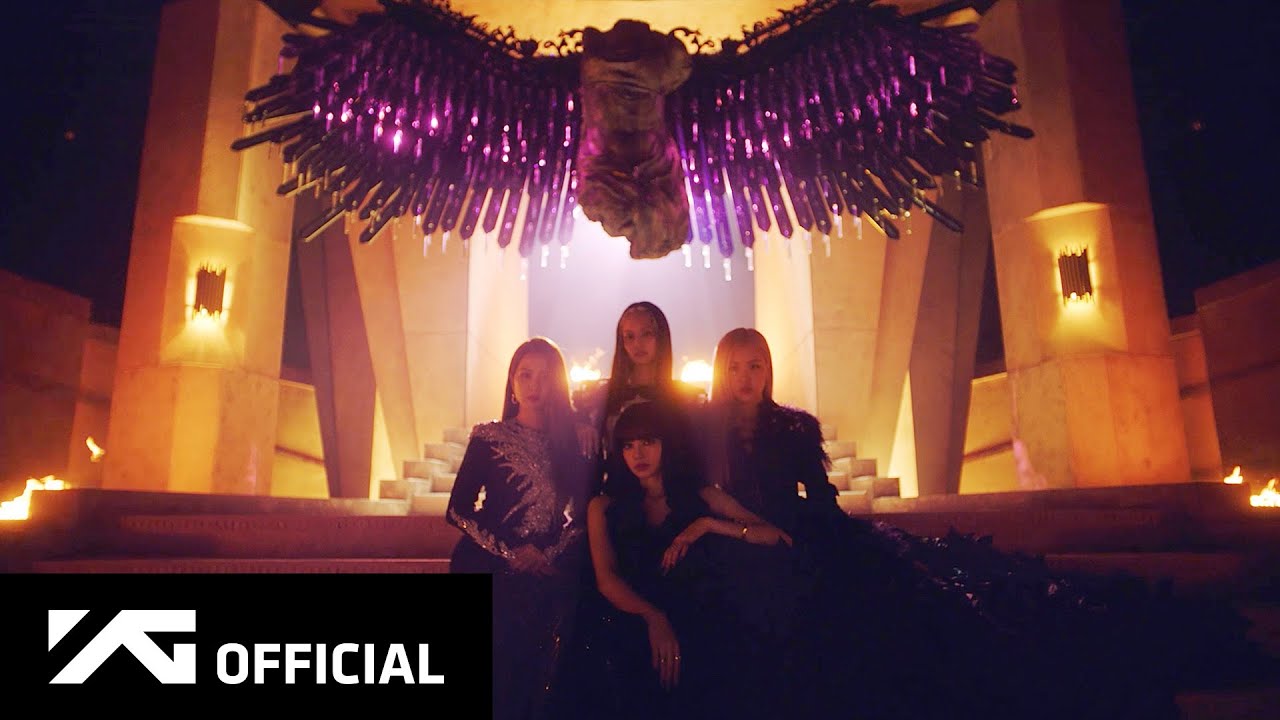
BLACKPINK · How You Like That · YG Entertainment · via YouTube
What Is a K-POP Fan Boycott?
A K-POP fan boycott is an organized effort by a fanbase — or a segment of it — to withhold purchases, streams, or engagement from a specific artist, label, or product. The goal is usually to send a financial message that forces the target (typically the company) to change its behavior.
Boycotts can range from "we won't buy the album" to "we won't stream on music charts" to full-scale coordinated campaigns with press releases and open letters. Some last 48 hours. Some drag on for years.
Importantly: boycotts in K-POP are almost always targeted at companies, not the idols themselves — unless the idol has committed a serious personal offense. Most boycotts come from fans who are deeply invested in the idols and are protesting to protect them.
Why Do Boycotts Happen? The Main Triggers
The K-POP industry operates on a uniquely intense emotional contract between fans and artists. When something breaks that trust — usually involving the company — the reaction is proportionally intense. Common triggers include:
- Poor treatment of idols — overwork, unsafe conditions, malnutrition allegations, lack of creative freedom
- Contract disputes and departures — when a beloved member leaves a group under controversial circumstances
- Lack of communication — a company going silent during a crisis fans consider urgent
- Environmental or ethical issues — excessive physical album releases criticized for plastic waste
- Idol behavior scandals — if an idol's actions (dating controversies, social media behavior, past associations) conflict with fan expectations
- Company financial scandals — fraud, mismanagement, or label executives facing legal issues
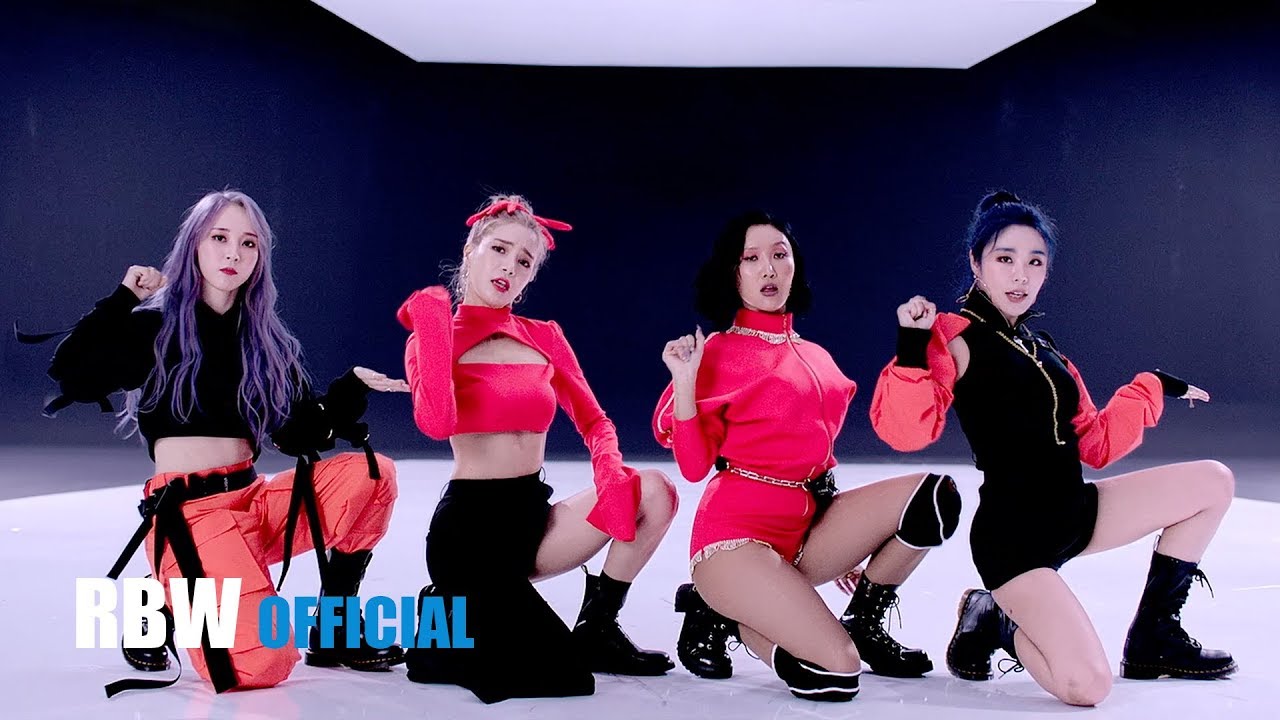
MAMAMOO · HIP · RBW Entertainment · via YouTube
The 4 Most Common Types of K-POP Controversy
🔴 Type 1: Company Mismanagement Boycotts
Fans target the label, not the idols. Classic examples involve agencies being accused of overworking artists, cutting corners on promotions, or being perceived as prioritizing other groups over fan favorites. The ask is usually: "Do better for our idols." Fans often continue supporting the artist personally while withholding official purchase support.
🟠 Type 2: Member Departure / Lineup Change Protests
When a member leaves under circumstances fans consider unjust — forced out, contractual dispute, or excluded from a comeback — some fans protest by boycotting the group's activities until their demands (usually transparency or the member's return) are met. These are notoriously difficult to resolve because the company rarely makes internal decisions public.
🟡 Type 3: Environmental / Ethical Consumption Boycotts
A growing segment of the K-POP fanbase pushes back against the industry's physical album consumption model — albums sold in 5+ versions, excessive packaging, and landfill-bound collectibles. These boycotts are less emotionally charged but more ideologically driven. Some fans opt for digital purchases only as a compromise.
🔵 Type 4: Idol Behavior Controversies
The most divisive category. If an idol is caught in a scandal — past social media posts resurfaced, inappropriate behavior documented, or alleged policy violations — fans divide sharply into those who withdraw support and those who defend. These tend to generate the most visible fandom conflict.
Do Fan Boycotts Actually Work?
Rarely in a direct, measurable way — but they do create noise that companies can't ignore. A few realities:
- Most boycotted albums still chart well, because fandoms are large and fragmented
- The threat of a boycott sometimes produces company responses before it fully escalates
- Sustained, organized boycotts over months have occasionally forced companies to issue public statements or make personnel decisions
- Short-term boycotts (1–2 days) almost never produce measurable chart impact
What boycotts reliably do: generate media coverage, create internal pressure, and document that fans are paying close attention. For companies that depend on fan goodwill, that documentation matters even when sales stay strong.
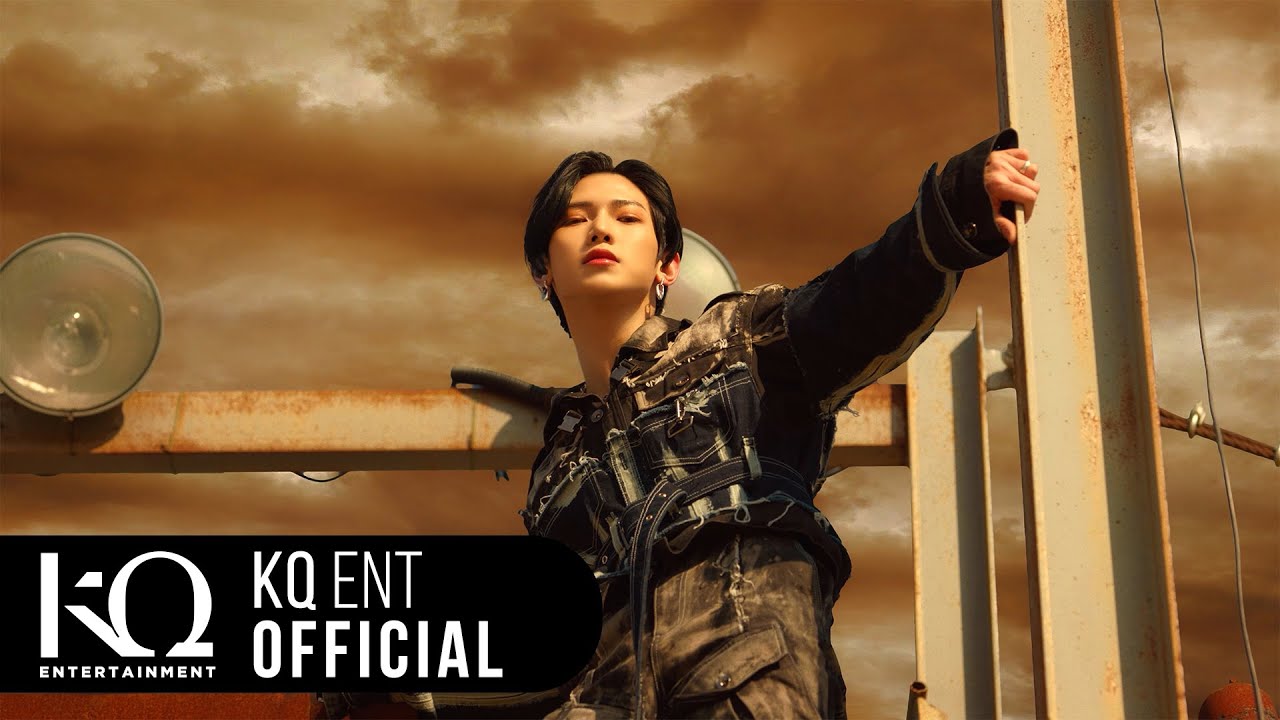
ATEEZ · Fireworks (I'll Be the One) · KQ Entertainment · via YouTube
Boycott vs. Support: How Fans React Differently
| Fan Response | What It Looks Like | Underlying Motivation |
|---|---|---|
| Active Boycott | No album purchase, no streaming, coordinated hashtag campaign | Financial protest to force company action |
| Soft Withdrawal | Personal decision not to engage, without public campaigning | Personal values conflict; waiting to see how situation develops |
| Counter-Support | Bulk-buying albums specifically because of the boycott | Defense of idols perceived as unfairly targeted |
| Selective Support | Streaming but not buying; digital-only purchases | Supporting artist without funding company directly |
| Observation | Watching discourse without taking a side | Waiting for more information; conflict aversion |
FAQ: K-POP Controversies and Boycotts
Q: Should I join a boycott of my favorite group?
That's genuinely your call. Look at the facts, not just the loudest voices in the fandom. Verify claims before acting. Some boycott situations are clear-cut; others involve significant misinformation in circulation.
Q: Do companies ever change because of fan boycotts?
Sometimes. It's more common for companies to issue statements or make partial changes (transparency updates, schedule adjustments) than to do complete reversals. Long-term sustained boycotts with clear demands tend to have more impact than short emotional campaigns.
Q: Why do fandoms fight each other during controversies?
Different fans weight different values: some prioritize artist wellbeing over chart success; others prioritize chart success as a form of support. When the same action (buying or not buying) is framed as both supporting and harming the idol, conflict is almost inevitable.
Q: Are boycotts more common with certain companies?
Companies perceived as communication-averse or with patterns of controversial decisions tend to attract more boycott activity. The Big 4 (HYBE, SM, JYP, YG) face the most scrutiny simply due to the scale of their fanbases.
Comments
Post a Comment