In early 2026, a soundtrack outsold and outstreamed multiple idol comebacks in the same month. It wasn't from a group — it was from an animated Netflix film. If you've heard fans talking about "OSTs" and assumed it was some niche side category of K-POP, 2026 is the year that assumption stopped holding up.

LE SSERAFIM — "ANTIFRAGILE" Official MV (2022) · SOURCE MUSIC (HYBE) · via YouTube
OST stands for Original Soundtrack — music written specifically for a K-drama, film, or animated project rather than released as a standalone artist single. K-POP idols frequently sing OSTs as side projects, and in 2026 OSTs have become genuinely mainstream, with Netflix's animated film "KPop Demon Hunters" producing a soundtrack that charted above several idol group releases. You don't need to follow a specific drama to enjoy an OST — most fans discover them through playlists first and the source show second.
What Actually Counts as an OST?
An OST is any song commissioned specifically for a piece of visual media — a drama, film, or show — rather than written as a regular artist release. OSTs are usually released in numbered "parts" as a drama airs, timed to specific emotional beats in the story: Part 1 might drop during the first big romantic moment, Part 4 during a climactic breakup. This is different from a K-POP group simply having a song featured in a show's background — a true OST is written and released as part of that production's official soundtrack.
Why Do K-POP Idols Sing OSTs?
OSTs are one of the most common side projects for idols, especially vocalists, because they let an artist showcase range outside their group's concept without it counting as a solo comeback. A group known for upbeat concepts can release a devastating ballad OST without confusing their group's brand, and the exposure works both ways — drama viewers who've never listened to the artist's group discover them through the soundtrack, while existing fans get new material outside the group's regular release cycle.
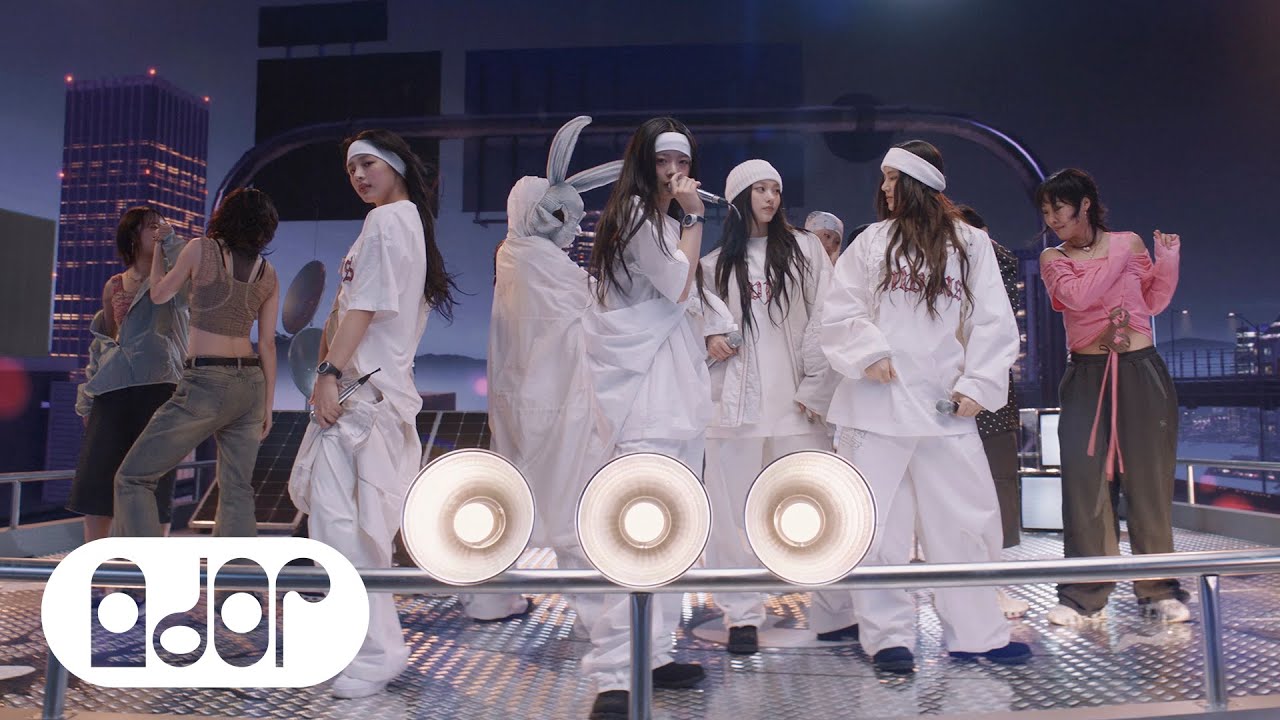
NewJeans — "Supernatural" Official MV (2024) · ADOR · via YouTube
There's also a practical career angle: OST placements are frequently used to demonstrate an idol's vocal range and emotional range to the wider industry, not just to fans. It's common for a member primarily known for rap or dance to take an OST specifically to prove they can carry a full vocal ballad, and these placements are often career-defining moments that outlast the promotional cycle of the group release happening at the same time.
2026's Biggest OST Moment

ATEEZ — "Fireworks (I'm The One)" Official MV (2021) · KQ Entertainment · via YouTube
2026 has been described as a golden year for OSTs specifically because of the soundtrack to Netflix's animated film "KPop Demon Hunters," alongside the legal drama "Honour," both of which brought back a grand, classic ballad style and charted high enough to compete directly with idol group releases in the same period. Older OSTs haven't faded either — "Lovely Runner" remains a go-to for upbeat, motivational playlists years after its original run, and "Queen of Tears" ballads are still treated as genre staples by fans building "cry" playlists. The takeaway: OSTs now have staying power that rivals — and sometimes exceeds — regular comeback cycles.
Stream official versions rather than fan-uploaded audio when you can find them — this directly supports the composers and singers behind the OST and helps signal demand for more high-quality soundtracks in future productions. Full OST albums (available on Spotify and Apple Music) also typically include instrumental versions, which are genuinely useful as background music while working or studying.
Where to Stream OSTs Legally
| Platform | Best For |
|---|---|
| Spotify / Apple Music | Full official OST albums, including instrumental versions |
| YouTube (official channels) | Music videos and lyric videos from the drama's production company |
| Drama streaming platform (Netflix, Viki, etc.) | Hearing the OST in its original context within the show |
Frequently Asked Questions
Do I need to watch the drama to enjoy the OST?
No — most fans discover OSTs through curated playlists first and never watch the source show at all. The songs are written to stand on their own as tracks, not just as scene accompaniment.
Can a group release an OST as a full group, not just one member?
Yes, though solo or duet OST placements are more common for vocalists specifically. Full-group OST tracks do happen, especially for productions with major promotional partnerships tied to a specific label or agency.
Is an animated film soundtrack like "KPop Demon Hunters" really considered part of K-POP culture?
Industry commentary in 2026 treated it that way functionally — the soundtrack competed directly with idol releases on the same charts and playlists, even though it originated from a Western animated production rather than a Korean agency, which says a lot about how blurred the genre lines have become.
Why are OSTs released in numbered "parts" instead of all at once?
Because they're timed to the drama's broadcast schedule rather than a standard album release cycle — each part typically drops alongside the episodes it was written to accompany, which is why a single drama can end up with 10+ separate OST parts released weekly over several months instead of one album at launch.
Comments
Post a Comment