In This Article
Young K's "YOUNGEST" — What's Happening Right Now
Young K releases his second full-length solo album, "YOUNGEST," on July 27, 2026 at 6 PM KST — his first solo full album since 2023's "Letters with Notes," a gap of almost three years. The title track is "Shut The Door," and the album's 15 tracks were all written and composed by Young K himself, following teaser content where he previewed lyric excerpts directly to fans before release. The album drops right after DAY6 wrapped their 10th-anniversary tour, "The DECADE," giving Young K's solo return a clear "what's next" narrative for the group as a whole.

DAY6 — "You Were Beautiful" Official MV (2017), written by Young K · JYP Entertainment · via YouTube
Difference 1: Bands Play Their Own Instruments
DAY6 is JYP Entertainment's first band, not a dance-pop idol group — Young K plays bass, Sungjin plays guitar, Wonpil plays keys, and Dowoon drums, live, at every show. That's the single biggest structural difference from a typical idol group: choreography isn't the center of the performance, musicianship is. It's also why DAY6's stages often look closer to a rock concert than a K-pop show.
Difference 2: Band Members Usually Write the Music
In most idol groups, songs are written by in-house producers and outside songwriters, with members occasionally credited on lyrics or a rap verse. In DAY6, the opposite is closer to the norm — Young K alone has writing or composing credits on the vast majority of the group's catalog, and "YOUNGEST" continues that pattern as a fully self-written solo project. This is common across K-pop's band-format acts generally, not just DAY6.

DAY6 — "Zombie" Official MV (2020), written by Young K and Wonpil · JYP Entertainment · via YouTube
Difference 3: Fewer Members, Less Choreography Focus
DAY6 debuted with six members and currently promotes as four: Sungjin, Young K, Wonpil, and Dowoon. Smaller lineups are typical for bands compared to the 4-to-9-plus member counts common in idol groups, largely because every member needs to cover an instrument rather than a dance or vocal "position." Choreography exists in some DAY6 promotions, but it's secondary to the live instrumentation — a reversal of the usual idol-group priority.
Difference 4: Different Promotion Rhythm
Idol groups typically promote a comeback for two to four weeks with heavy music-show appearances. Bands like DAY6 lean more on tours and fan concerts between releases, and members frequently release solo work in between group activities — which is exactly what "YOUNGEST" is. That's part of why DAY6 has kept a steady release schedule since 2015 without the group ever going on long, unexplained hiatuses.
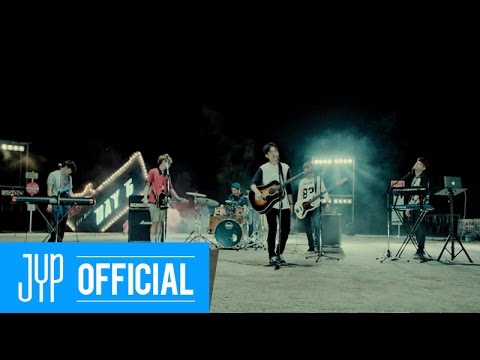
DAY6 — "Congratulations" Official MV (2015), debut single · JYP Entertainment · via YouTube
Quick Comparison
| Category | Typical Idol Group | Band (e.g., DAY6) |
|---|---|---|
| Core skill focus | Vocals, rap, dance | Live instrumentation + vocals |
| Songwriting | Mostly in-house/outside writers | Often written by members |
| Typical lineup size | 4–9+ members | 4–6 members |
| Promotion style | Concentrated comeback cycle | Tours + frequent solo work between releases |
Comments
Post a Comment