- Most K-POP albums include 5–10 physical items beyond just the CD
- Photocards are random — you won't know which member you'll get until you open it
- Multiple versions of the same album exist with different inclusions and photocard sets
You ordered your first K-POP album. It arrives and you're staring at a stack of cards, a thick photobook, a folded poster, and a handful of other items you weren't expecting. What is all of this? Which part is which? And why does the same album come in four different versions?
This guide breaks down every standard inclusion you'll find in a K-POP album, what each one is for, and how the version system works — so you're not caught off guard when your unboxing turns into a 20-minute event.
Standard Inclusions: What Every Album Has
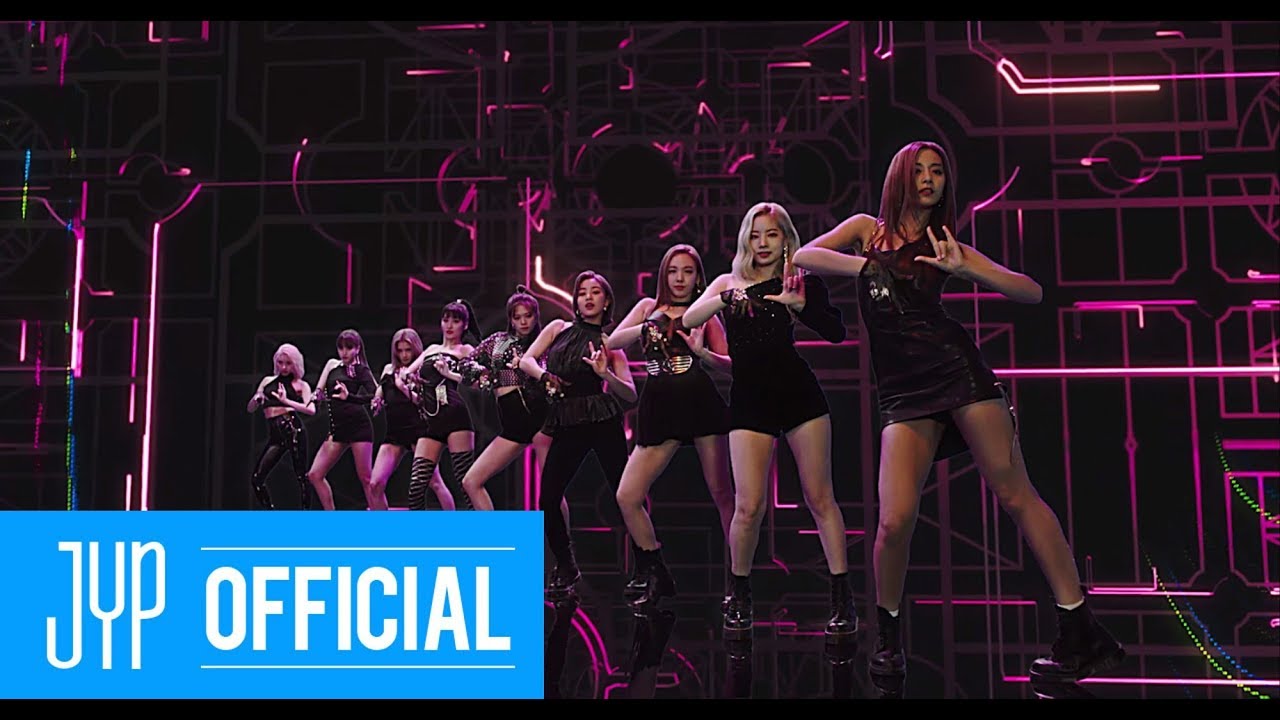
© TWICE Official YouTube
While every label and group does things slightly differently, most standard K-POP albums include a predictable set of items. Here's what to expect and what each piece actually is:
| Item | What It Is | Typical Size |
|---|---|---|
| Photobook | A high-quality photo magazine featuring the group's concept shots for the album era | 60–120 pages |
| CD | The actual album — same tracklist in every version | Standard disc |
| Photocard(s) | Random collectible card(s) of one member — the main collectible item | 1–3 per album |
| Lyric booklet | Printed lyrics, usually in Korean with English translation | Varies |
| Folded poster | A large-format concept image, usually shipped folded inside the album | B2 or A2 |
| Stickers / extras | Optional extras — sticker sheets, mini photo sets, unit cards, etc. | Varies by group |
Some groups go significantly further. TWICE albums are known for including 5+ photocards. SEVENTEEN has included knitting kits and member-specific mini photobooks. BTS has included polaroids, photo stands, and postcards in various eras. The base inclusions above apply to most standard releases; special editions often add considerably more.
Note that the CD itself is increasingly just a formality. Most K-POP fans stream music digitally and buy physical albums primarily for the photobook and photocards. The physical album is a collectible object as much as it is a music format.
Photocards: The Most Talked-About Inclusion
Photocards — often called "pcs" — are small, wallet-sized cards featuring a single member of the group. They're printed on thick, glossy cardstock and usually feature exclusive photos taken specifically for the album era. If you want a deeper look at photocard collecting culture, check out our full guide: What Is a Photocard? K-POP Collecting Culture Explained.
The key thing to understand for new buyers: photocards are random. You don't choose which member you get. Each album is packaged with one or more cards pulled randomly from the full set, which covers all members. This randomness is intentional — it drives trading, multiple purchases, and community engagement.
| Photocard Type | Where You Get It | Rarity |
|---|---|---|
| Standard album PC | Randomly included in every copy of the album | Common |
| POB (Pre-Order Benefit) | Pre-ordering from a specific store before release | Limited |
| Store exclusive PC | Buying from a specific retailer (Weverse Shop, Ktown4u, etc.) | Limited |
| Broadcast / music show PC | Attending a live music show recording in Korea | Very rare |
| Fansign PC | Winning a fansign lottery (typically requires multiple album purchases) | Very rare |
If you pull a photocard of a member you don't collect, the standard move is to trade. Fan communities on X (Twitter), Reddit, and Instagram run active trading networks using hashtags like #kpopwtt (want to trade) and #kpopwts (want to sell).
Album Versions Explained: Why Does the Same Album Come in Multiple Editions?
This is one of the first things that confuses new fans. You look up an album to buy and find four or five versions listed at different prices with slightly different names — Version A, Version B, Digipack, Kit Album, and so on. Here's how to make sense of it.
The music is always the same. Every version of the same album has the identical tracklist. The differences are entirely physical: different cover art, different photobook concept photos, different photocard sets, and sometimes different packaging formats.
| Version Type | What's Different | Notes |
|---|---|---|
| Standard versions (A/B/C/D) | Cover art, concept photos, photocard set | Most common format; buy all versions to get the full photocard set |
| Digipack | Compact cardboard sleeve instead of box; often fewer inclusions | Usually cheaper; popular with casual buyers |
| Kit Album | USB drive instead of CD; plays via app | Still includes photocards; no CD player needed |
| Limited / Special Edition | Extra inclusions — polaroids, photo stands, additional cards | Higher price; produced in smaller quantities |
| Weverse / Platform Edition | Exclusive to a single retailer; usually includes store-exclusive photocard | Only available while stock lasts |
For a new fan, the practical advice is simple: pick one version you like the look of and buy that. Collectors who want every photocard in a full set will eventually buy all versions, but there's no obligation. One version gives you everything you need to enjoy the album as an object.
Pre-Order Benefits (POB) and Store Exclusives
Pre-ordering a K-POP album often comes with bonus items not included in standard copies. These are called POBs (Pre-Order Benefits) and are one of the main reasons fans pre-order rather than buying after release.
Each retailer typically offers a different POB design for the same album. For example, Weverse Shop might offer one exclusive photocard design while Ktown4u offers a completely different one — both exclusive to their respective stores and only available during the pre-order window. Once the pre-order period closes, those specific cards can only be found through the secondary market, often at a significant markup.
For new fans, POBs are worth knowing about but not worth stressing over. If you miss a pre-order window, the album itself is still available and still includes all standard inclusions. POB cards are primarily relevant to dedicated collectors.
Frequently Asked Questions
Do all versions of the same album have the same songs?
Yes. Every version contains the identical full tracklist. The versions differ only in physical packaging, cover art, photobook concept photos, and photocard sets.
What if I get a photocard of a member I don't want?
Trade it. Fan trading communities on Reddit (r/kpopforsale), X/Twitter, and Instagram handle enormous volume in photocard trades daily. You can usually find someone who wants exactly the card you have and has the one you want.
Do I need a CD player to use a K-POP album?
No. The music is available on all major streaming platforms. Most fans stream the music and purchase physical albums for the inclusions. If you specifically want a physical-only format, Kit Albums play via an app on your phone.
Why do some fans buy the same album multiple times?
Three main reasons: to collect all versions and their different photocard sets, to increase their group's official sales count (which affects chart rankings and award eligibility), and to enter fansign lotteries, which require submitting album purchase receipts. We cover this in full detail in Why Do K-POP Fans Buy Multiple Copies of the Same Album?
Are there fake K-POP albums?
Counterfeit albums exist, primarily on unverified marketplaces. Buy from official retailers (Weverse Shop, Ktown4u, YesAsia) or verified resellers with proof photos. Legitimate albums always include official agency branding and HANTEO/GAON barcode stickers for chart counting.
Comments
Post a Comment