- "Bias" is one of the most-used terms in K-POP fan vocabulary — you'll see it everywhere once you know what it means
- Having a bias doesn't mean you dislike other members; it just means one person resonates with you most
- Related terms: bias wrecker, ultimate bias, bias list, bias group
You've just discovered K-POP, you're watching videos of a group you like, and a fan comment says "this is my bias's best era." Or you join a fan community and someone asks "who's your bias?" These terms come up constantly, and if you don't know what they mean, you're perpetually a step behind the conversation.
This guide covers bias, bias wrecker, ultimate bias, and the rest of the connected vocabulary — so you can follow fan discussions from day one.
What "Bias" Actually Means
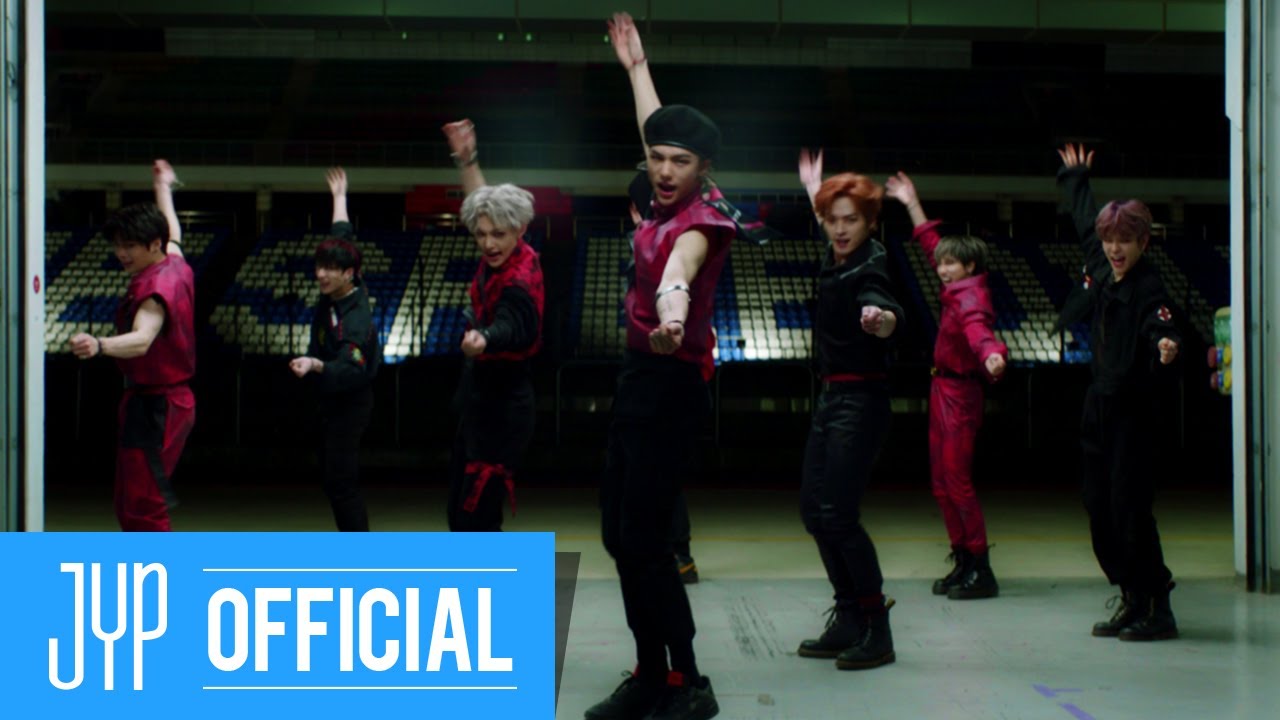
© Stray Kids Official YouTube
The word "bias" in everyday English means an unfair preference for something. In K-POP, the word has been adopted with a more positive spin: having a bias simply means having a favorite.
Specifically, your bias is your favorite member within a single group. If you follow BTS and feel the strongest connection to Jungkook, Jungkook is your BTS bias. You can have a different bias in every group you follow — your SEVENTEEN bias might be different from your TWICE bias. The term originated in K-POP fan communities in the early 2010s and is now used universally by international fans.
How do people pick a bias? There's no formula. Common reasons include:
| Reason | What Fans Mean |
|---|---|
| Visuals | The member whose appearance stands out to you |
| Personality | The member whose humor, warmth, or temperament you connect with through variety shows and behind-the-scenes content |
| Talent | The member whose singing, rapping, or dancing draws your attention most in performances |
| Stage presence | The member your eye follows instinctively during group performances |
| "It just happened" | Very common — fans often can't explain exactly why, they just feel it |
It's also completely normal not to have a bias, especially when you're new to a group. Many fans follow a group for the music first and develop a bias naturally after watching more content.
What Is a Bias Wrecker?
A bias wrecker is a member of a group who threatens to replace your existing bias. You've chosen your bias, you're confident in that choice — and then this other member does something in a performance or a variety show clip that makes you suddenly question everything.
The "wrecking" is the internal conflict. You don't necessarily switch biases; you just experience the disruption. Fans talk about being "bias wrecked" the same way they'd talk about being surprised or caught off guard. It's usually experienced as a mild crisis, discussed with humor: "I was fine, I was stable, and then he laughed and now I don't know what's happening."
A bias wrecker can eventually become your bias if the shift feels permanent. Or they can stay as a consistent second presence — always threatening, never fully taking over.
Ultimate Bias, Bias List, and Bias Group
As fans follow multiple groups, the vocabulary expands:
| Term | Meaning |
|---|---|
| Ultimate bias (ult bias) | Your single favorite across all of K-POP — the one person who would take priority over any group bias |
| Bias list | The running list of your biases across all the groups you follow |
| Bias group | Your favorite group overall — the one you follow most actively |
| Multi-stan | A fan who actively follows multiple groups rather than dedicating all attention to one |
| Solo stan | A fan who focuses exclusively on one member, sometimes to the exclusion of caring about the group |
Essential K-POP Fan Vocabulary: Quick Reference
Beyond bias, K-POP fan communities use a set of terms that appear constantly in discussions. Here's a quick reference for the ones you'll encounter most often. For a deeper dive into K-POP terminology, see our full glossary: What Is a Fandom in K-POP? Ultimate Glossary of Terms.
| Term | Meaning |
|---|---|
| Stan | To be an active, invested fan of an artist. Also used as a noun: "I'm a stan." |
| Comeback | Any new music release by an artist, even if they released something recently |
| Debut | An idol's or group's first official release |
| Fandom name | The official name for a group's fan community (e.g., ARMY for BTS, BLINK for BLACKPINK) |
| OT7 / OT5 / etc. | "One True [number]" — meaning the full lineup; OT7 means all 7 members of BTS |
| Maknae | The youngest member of a group |
| Unnie / Oppa / Noona / Hyung | Korean age-based honorifics used between members and sometimes by fans |
| Delulu | Fan slang for "delusional" — used humorously to describe fans who imagine unrealistic scenarios with idols |
Frequently Asked Questions
Is it bad to have more than one bias in the same group?
Not at all. Having multiple biases in one group is common. Fans call it a "bias conflict." Some fans follow entire groups without singling out a bias — "OT7" fans, for example, support all members of BTS equally. There's no wrong way to be a fan.
What if I don't have a bias?
That's fine. Bias is a fan vocabulary term, not a requirement. Plenty of K-POP listeners enjoy the music and performances without engaging with the member-specific side of fandom at all. The term is most relevant if you're participating in fan community discussions.
Can your bias change?
Yes, frequently. Fans change biases as they consume more content, discover different sides of the members, or get bias wrecked. A bias change isn't considered disloyal — it's just a natural evolution of how you connect with the group.
What is a "visual" in K-POP?
The visual is the member designated as the face of the group — typically the member the company considers most representative of the group's aesthetic concept. It's a formal role in many K-POP groups. The visual isn't necessarily the most popular member or anyone's bias; it's a designation used in official promotional contexts.
Comments
Post a Comment