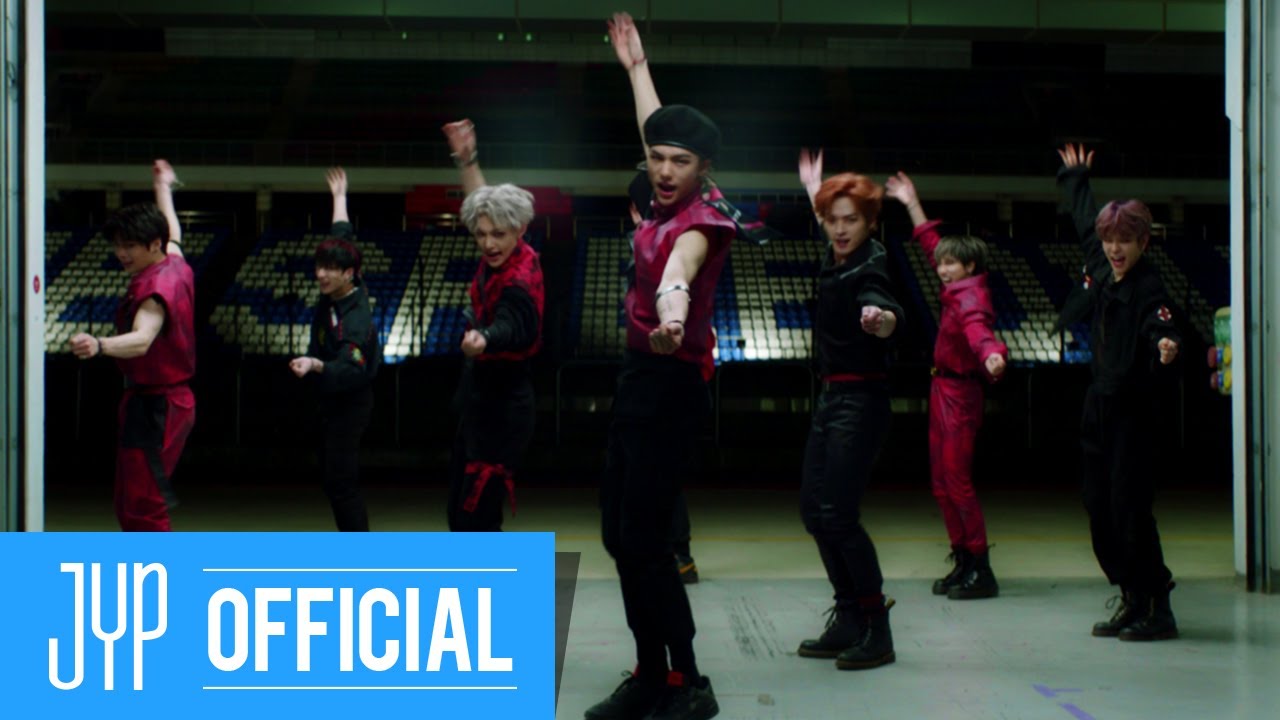
© Stray Kids Official YouTube
You're watching a live K-POP performance and you notice something unusual. During certain parts of the song — specific gaps, specific lines — thousands of fans respond in perfect unison. Not just screaming. Actual words, actual rhythm, in sync with each other and the music. It sounds almost rehearsed.
It is. That's a fanchant — and learning it is one of the most rewarding things you can do as a new K-POP fan.
Why Fanchants Exist
K-POP performances are designed with audience participation built in. Songs typically include deliberate pauses, call-and-response structures, and moments where the vocal track drops out — spaces that are explicitly intended for fan response. A concert without fanchants feels noticeably empty to Korean fans; the crowd participation is considered part of the performance, not separate from it.
For idols, hearing a synchronized fanchant from thousands of fans is one of the most cited highlights of performing live. Multiple idols have spoken about specific moments — hearing their name called in unison, or a fanchant landing perfectly during a high-stakes stage — as among the most memorable experiences of their careers.
© SEVENTEEN Official YouTube
What a Fanchant Actually Contains
Fanchants are structured and specific. Most contain some combination of the following elements:
| Element | What It Sounds Like | When It Happens |
|---|---|---|
| Member name roll call | Each member's name called in group order | Usually during intro, pre-chorus, or instrumental break |
| Fandom name chant | The official fan club name repeated in rhythm | Bridge sections, concert openings |
| Lyric echo | Fans repeat or complete a sung line | Call-and-response sections built into the song |
| Group name shout | "[Group name]!" at a climactic moment | Drop into chorus, ending of song |
The specific fanchant for each song is documented by fan communities and available in text form, with timestamps indicating exactly when each element occurs.
How to Learn a Fanchant — Step by Step
Search YouTube for "[Group name] [Song title] fanchant guide." Most major groups have fan-made tutorial videos that display the lyrics with fanchant text overlaid, color-coded by when fans respond. These are the most reliable learning tool. Avoid learning from concert footage alone — crowd noise makes it hard to isolate the correct words and timing.
Almost every K-POP group has a standard name call order used in fanchants — typically based on age, debut order, or established fan convention. Learn this order first. It's the backbone of most fanchants and appears in multiple songs once you know it.
Read the fanchant guide once, then play the actual song and try to follow along. Don't aim for perfection on the first run. Focus on identifying where the fan response moments are — you'll start to hear the spaces in the song that are clearly designed for crowd response once you know what to listen for.
© TWICE Official YouTube
You don't need to learn every fanchant before a concert. Focus on the songs most likely to appear in the setlist — title tracks, recent comeback songs, and fan-favorite deep cuts that groups consistently perform live. Learning 3–5 fanchants well is more satisfying than half-knowing ten.
Even with preparation, live fanchants move fast. If you lose your place, don't panic — listen to the fans around you and rejoin when you find the thread again. No one is grading your fanchant accuracy. The goal is participation, not perfection.
Fanchant Etiquette
A few things worth knowing before you show up:
| Do | Don't |
|---|---|
| Learn the established fanchant for each song | Improvise your own responses during established fanchant moments |
| Call all members' names in the correct order | Only call your favorite member's name and skip the rest |
| Match the crowd's volume and energy | Shout over quieter crowd moments or ballad sections |
| Stay synchronized with fans around you | Start fanchants early or late — timing is everything |
Comments
Post a Comment