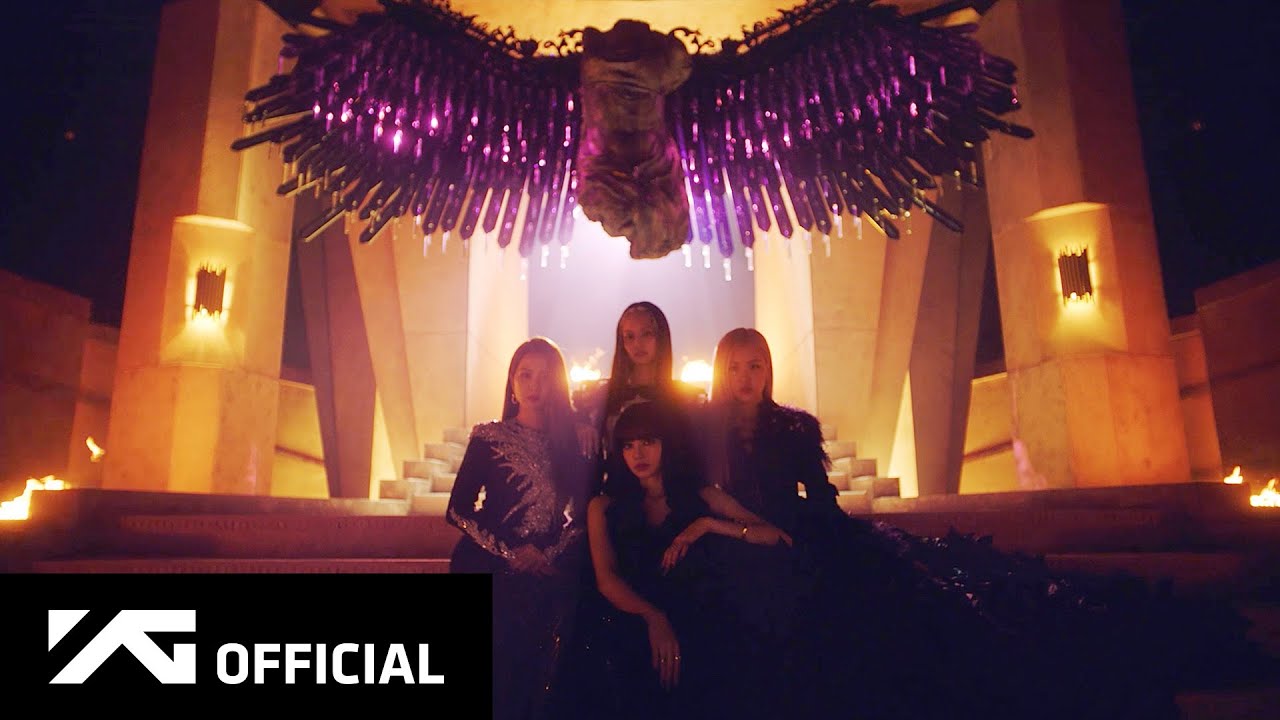
© BLACKPINK Official YouTube
You've bought the ticket. The date is circled on your calendar. Now the nerves kick in — because a K-POP concert is not quite like anything else, and if you've never been to one, you genuinely don't know what you're walking into.
This guide covers everything from the week before to the moment you walk out the door after, so nothing catches you off guard.
Learn the fanchants for at least your favorite 3–4 songs. Fanchants are the coordinated fan responses during specific parts of songs — calling out member names, repeating hook lines, or shouting the group name in rhythm. The official fanchant guide is usually pinned in the fan community. You don't have to memorize everything, but knowing a few makes the experience dramatically more immersive.
Official concert merchandise (lightsticks, hoodies, photo sets) sells out fast and the lines form hours before doors open — sometimes 4–6 hours before the show. If buying official merch matters to you, arrive early and go straight to the merch booth before doing anything else. Many venues also release merch online before the event; check the official fan café or WEVERSE for pre-order options.
If your group has an official lightstick, bring it or buy it at the merch booth. At many concerts, lightsticks connect to the venue's Bluetooth system and change color or flash in sync with the performance. Using a different group's lightstick, or a generic one, means you'll miss this effect entirely. Check in advance whether your group's lightstick requires batteries and bring spares.
© Stray Kids Official YouTube
K-POP concerts typically have a pre-show period of 30–60 minutes where fan-made content, behind-the-scenes clips, or fan project videos play on the screen. This is also when fan projects happen — coordinated light displays or banner reveals organized by fan clubs. Pay attention to any fan project instructions distributed outside the venue.
K-POP concerts are structured differently from Western pop shows. Expect multiple outfit changes, solo stages for individual members, sub-unit performances, and extended audience interaction segments (ments) where members speak directly to fans — often switching between Korean and English. The group will address the crowd several times throughout the night, not just at the end.
The main set ends, the lights come up slightly, and the group leaves the stage. Do not leave. The encore is coming. Fans chant the group's name in rhythm until they return — this is one of the most electric moments of the whole concert. Groups typically return for 2–4 encore songs. The final goodbye is often extended and emotional, with members speaking individually to the crowd.
What's Different About K-POP Concerts
If you've been to Western pop or rock concerts before, a few things will feel unfamiliar:
| Western Pop Concert | K-POP Concert |
|---|---|
| Artist talks once or twice | Members interact with crowd multiple times (ments) |
| Generic crowd participation | Structured fanchants, fan projects, lightstick sync |
| One outfit | Multiple outfit changes per show |
| Individual setlist | Solo, sub-unit, and full group stages |
| Leave when it ends | Always stay for encore |
What to Bring
© BTS Official YouTube
| Item | Why |
|---|---|
| Official lightstick | Bluetooth sync, fandom identity |
| Spare batteries | Lightsticks die mid-show more often than you'd think |
| Portable charger | Your phone will die from photos and fanchant lookups |
| Printed/downloaded ticket | Don't rely on signal inside the venue |
| Earplugs (optional) | Floor/pit sections can hit 110dB+ |
| Small bag or fanny pack | Most venues don't allow large backpacks on the floor |
Your first K-POP concert will almost certainly not be your last. The combination of production quality, audience participation, and emotional connection between the group and the crowd is something that doesn't translate through a screen. Go in prepared, stay present, and enjoy it.
Comments
Post a Comment