Someone calls BTS "3rd gen legends." Someone else says ATEEZ are "4th gen kings." A newer fan asks what any of that means — and gets three different answers.
K-POP divides its history into generations. It's not an official system, and fans argue about the exact boundaries constantly. But understanding the rough framework helps you make sense of K-POP conversations, fan debates, and why certain groups carry certain weight.
K-POP generations are informal era labels based on when groups debuted and what defined the industry at the time: 1st Gen (mid-1990s–early 2000s), 2nd Gen (~2003–2011), 3rd Gen (~2012–2017), 4th Gen (~2018–2022), and 5th Gen (~2023–present). Each generation reflects shifts in technology, global reach, and musical style — not hard cutoffs. Many groups straddle two generations depending on when they debuted vs. when they peaked.
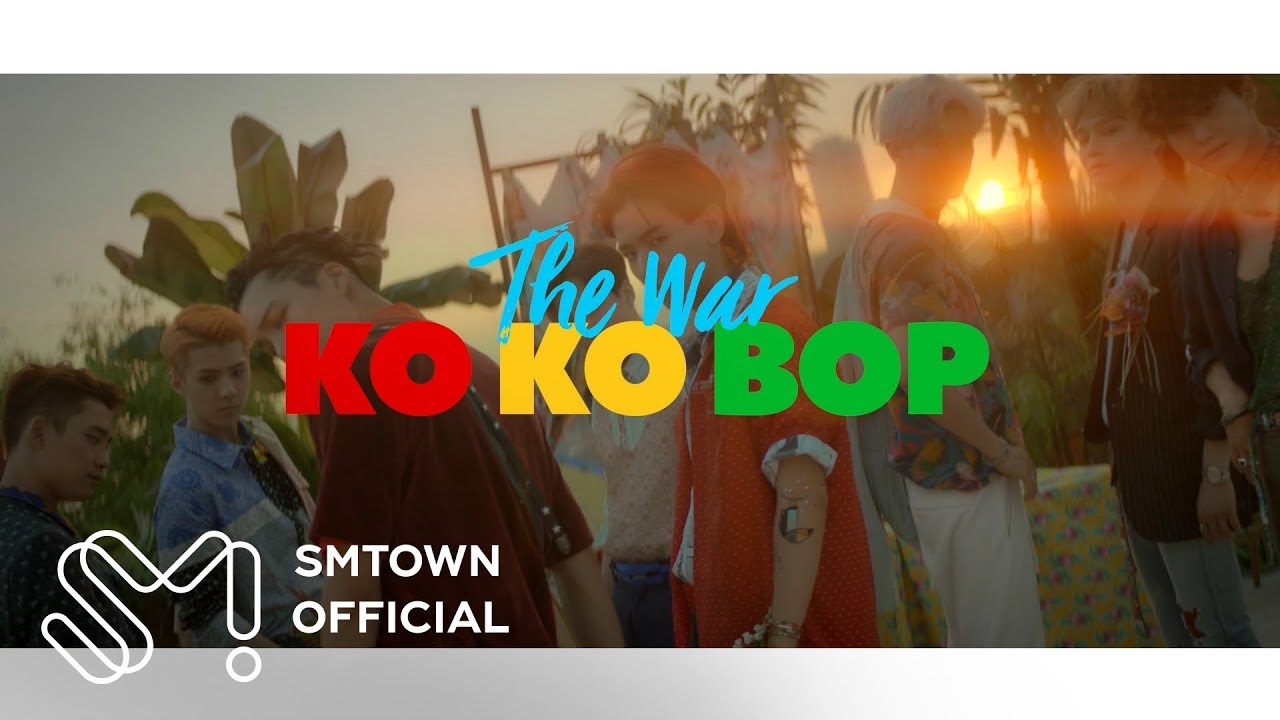
EXO · "Ko Ko Bop" · SM Entertainment · via YouTube
Why K-POP Uses Generations (And Why It's Complicated)
K-POP generations aren't official industry categories. No committee declared that 3rd gen started in 2012. The labels emerged organically from fan communities and music journalists trying to make sense of how dramatically the industry changed over time.
What actually defines a generation is a combination of factors: when groups debuted, what technology dominated promotion and distribution, how global the reach was, and what the dominant musical and visual aesthetics looked like. A 2nd gen group sounds different from a 4th gen group — in production, in choreography complexity, in how they interact with fans online — and those differences are real even if the year boundaries aren't precise.
The honest caveat: fans disagree on cutoffs, especially for borderline groups. Was NewJeans 4th gen or 5th gen? Is ATEEZ 4th gen or a bridge group? These debates happen constantly and there's no definitive answer. What matters for a new fan is understanding the rough shape of each era.
1st Generation: The Founders
The 1st generation began with Seo Taiji and Boys in 1992 — widely credited as the cultural starting point of modern K-POP — but the idol group system as we know it launched with SM Entertainment's H.O.T. in 1996. These were the groups that built the training system, established the idol concept, and found the first domestic fandoms.
Promotion was TV-based. International reach was minimal — mostly Korean diaspora audiences in Japan. Physical album sales and TV music show wins were the primary success metrics. Fan cafes on Korean portals like Daum were the fandom infrastructure.
Most 1st gen groups have long disbanded or are in reunion mode. But their influence is enormous — the training system, the multi-member group format, the concept-driven aesthetics, the music show trophy culture: all of it traces back here.
2nd Generation: The Golden Era
The 2nd generation is what many long-time fans call K-POP's golden era. Groups from this period dominated not just Korea but all of East and Southeast Asia. YouTube was just emerging, so early fandom spread through Cyworld, early blogs, and pirated video files shared in fan forums.
Musically, 2nd gen is famous for catchy hook-driven pop — songs designed as earworms. "Gee," "Sorry Sorry," "Mirotic," "Lies" are 2nd gen classics still known by K-POP fans of every era. The idol formula (synchronized dance, distinct member roles, fan service culture) crystallized here.
The 2nd gen also saw K-POP begin its tentative moves into the Western market. Wonder Girls opened for the Jonas Brothers on a US arena tour in 2009. PSY's "Gangnam Style" (2012) technically straddles 2nd and 3rd gen, but it was the moment the Western mainstream first noticed K-POP existed.
3rd Generation: Global Domination
The 3rd generation is when K-POP stopped being an Asian genre and became a global one. YouTube, Twitter, and streaming platforms gave international fans direct access to content, and fan communities organized globally in ways that weren't possible before. This is the era that built K-POP's reputation in the West.
BTS and BLACKPINK are the most globally recognized K-POP acts in history — both 3rd gen. EXO broke sales records repeatedly. TWICE built one of the most devoted fandoms in Asia. The production values, choreography complexity, and music video budgets jumped dramatically from 2nd gen.
3rd gen is also when survival show formats exploded — Produce 101, Show Me the Money, and similar competition series created fan-voted groups and brought millions of viewers into active fandom participation. The "stan" culture as understood globally today is largely a 3rd gen creation.

ATEEZ · "Fireworks (I'll Be the One)" · KQ Entertainment · via YouTube
4th Generation: Performance Maximalism
The 4th generation raised the performance bar to an almost extreme level. Where a 3rd gen group needed one or two main dancers, 4th gen groups often have every member performing at a main-dancer level. Choreography became more technically demanding, faster, and more synchronized — a response to the TikTok era where short dance clips needed to be instantly impressive.
Fandom infrastructure matured: Weverse launched, Bubble became mainstream, photocard culture expanded, and fan engagement became deeply platform-dependent. The COVID-19 pandemic hit during 4th gen's rise, which pushed fandom almost entirely online and accelerated digital fan culture.
4th gen also saw non-Big-4 groups break through to global fanbases independently — ATEEZ (KQ Entertainment) and (G)I-DLE (Cube) built massive Western audiences entirely through music quality and fandom loyalty, proving the Big 4 didn't have a monopoly on global success.
5th Generation: What's Happening Right Now
The 5th generation is still being defined in real time. The dominant trend shift is away from the aggressive, dark, maximalist concepts of 4th gen toward softer, more approachable aesthetics — boyhood concepts for male groups, cute or retro concepts for girl groups. The target audience has widened beyond core fandom to the general public.
Groups increasingly debut internationally from the start — not as a secondary market, but as a primary one. HYBE's KATSEYE debuted in the US. JYP's NiziU built its entire career in Japan. The idea that K-POP groups must establish Korea first before going global is being actively challenged.
The 5th gen is also the first to grow up entirely in the streaming era and post-pandemic fandom. Fan behavior, purchase patterns, and content consumption look different from even 4th gen — and the industry is still adjusting to what that means long-term.
Generation Comparison Table
| Gen | Era | Defining Technology | Musical Vibe | Iconic Groups |
|---|---|---|---|---|
| 1st | ~1996–2002 | TV music shows, CD sales, fan cafes | Pop, dance, early hip-hop fusion | H.O.T., S.E.S., g.o.d, Shinhwa |
| 2nd | ~2003–2011 | Early YouTube, Asian cable TV, Hallyu wave | Catchy hook pop, earworm chorus structures | SNSD, BIGBANG, SHINee, Super Junior, 2NE1 |
| 3rd | ~2012–2017 | YouTube dominance, Twitter fandom, streaming | EDM, trap influences, emotionally driven | BTS, BLACKPINK, EXO, TWICE, SEVENTEEN |
| 4th | ~2018–2022 | TikTok, Weverse, Bubble, Shorts | Performance-first, genre hybrid, dark concepts | Stray Kids, ATEEZ, ITZY, IVE, aespa |
| 5th | ~2023–now | AI tools, global-first debut strategies | Soft, retro, approachable, gen-public friendly | RIIZE, ILLIT, BOYNEXTDOOR, BABYMONSTER |
When fans debate "who defined their generation," they usually mean consistent chart impact, cultural influence, and fandom scale — not just debut year. A group can debut at the start of a generation and be considered a minor act, while another group that debuted at the same time becomes the generation's defining face. Generation labels are about legacy, not just chronology.
Comments
Post a Comment