What Is a K-POP Universe? BTS, aespa, and ATEEZ Lore Explained for Beginners
- K-POP universes are entirely optional — you can enjoy the music without following the lore at all
- For fans who engage with it, lore adds a layer of storytelling that makes the discography feel like a continuous experience
- BTS's universe began in 2015; aespa's SMCU is ongoing; ATEEZ's pirate universe spans multiple album series
You're watching a K-POP music video and you notice the same symbol appears in three different scenes. Or a character from a previous video shows up briefly, clearly older. Or the ending cuts away on an unresolved moment and fans in the comments are losing their minds analyzing what it means.
That's lore. This guide explains what K-POP universes are, which groups have the most developed ones, and how to engage with them — or safely ignore them — depending on your preference.
What Is K-POP Lore?
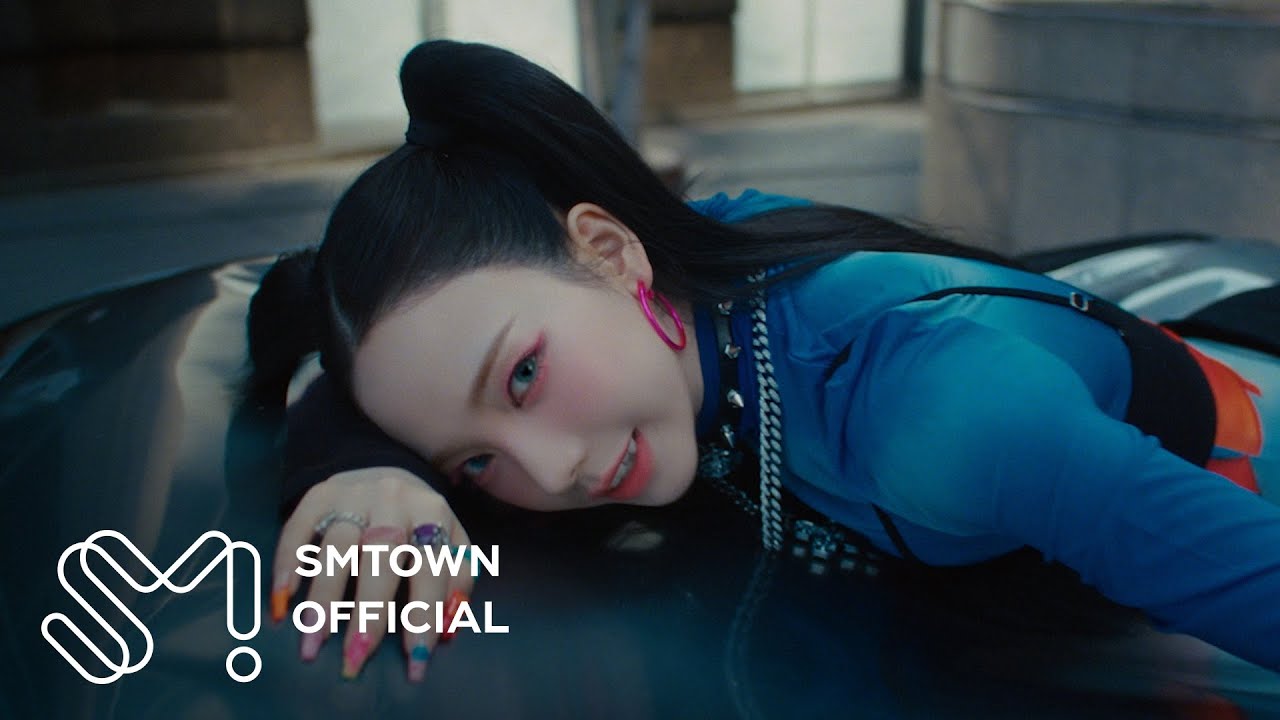
© aespa Official YouTube
K-POP lore is the fictional narrative world that a group develops across their creative output. It's not just a music video concept — it's an ongoing story with recurring characters, specific locations, internal rules, and a timeline that spans multiple album eras.
Lore became a mainstream K-POP feature in the 2010s, starting with EXO's supernatural powers concept (debuted 2012) and accelerating with BTS's Universe beginning in 2015. The trend has grown each generation, with fourth-gen groups like ATEEZ, LE SSERAFIM, and NMIXX all building their own narrative worlds.
The mechanism is the same across groups: music videos contain visual clues that connect to each other. Lyrics reference events that appear in videos. Supplementary content — webtoons, short films, concept books — expands the story beyond what the music alone can tell. Fans compile these clues into "lore timelines" and debate theories about what the narrative means.
Crucially, engaging with lore is entirely optional. Most casual fans enjoy K-POP music without ever tracking a storyline. But for fans who do engage, it adds a layer of investment that makes each comeback an event — not just a release.
The BTS Universe (BU)
The BTS Universe — often abbreviated as BU — began in 2015 with the "화양연화 (The Most Beautiful Moment in Life)" series. It depicts seven young men in an alternate universe, dealing with themes of youth, failure, trauma, and friendship. The narrative unfolds across music videos, the HYYH notes (extended prose pieces), a webtoon series (7Fates: Chakho), and supplementary short films.
| Era | BU Connection |
|---|---|
| HYYH (2015–2016) | The foundational narrative — introduces the seven members as interconnected characters with shared trauma |
| Wings (2016) | Introduces Jungian psychology and the concept of shadow selves; each short film is a solo character study |
| Love Yourself (2017–2018) | The universe expands; explores identity, self-worth, and growth |
| Map of the Soul (2019–2020) | Incorporates Jungian archetypes (Persona, Shadow, Ego) into the narrative framework |
The BU is the most extensively documented K-POP universe, with fan-produced timelines, annotated music video analyses, and entire YouTube channels dedicated to tracking the story. For new ARMY, starting with the short films from the Wings era is a good entry point to the narrative side of the discography.
aespa's SMCU and KWANGYA
aespa (SM Entertainment, debuted 2020) operates within the SM Culture Universe (SMCU) — a shared fictional world that connects multiple SM Entertainment artists including EXO, NCT, SHINee, and Red Velvet. aespa's specific narrative is the most developed branch of the SMCU.
The core concept: each of aespa's four members (Karina, Giselle, Winter, Ningning) has a digital counterpart called an "æ" (æ-Karina, æ-Giselle, etc.). These digital versions exist in a virtual realm called KWANGYA. The connection between the real members and their æ counterparts is called SYNK. An entity called Black Mamba is the primary antagonist threatening the SYNK connection. A navigation AI called NAEVIS helps guide the æs through KWANGYA.
aespa's universe is unique in K-POP because it's explicitly structured around a digital/virtual reality framework — reflecting themes of identity, technology, and the boundary between reality and the virtual world. Lyrics, choreography, and music video imagery all tie into this framework consistently across releases.
ATEEZ's Pirate Universe
ATEEZ (debuted 2018) built one of the most cinematically ambitious universes in K-POP, structured across multiple named album series. The central concept involves ATEEZ as explorers traveling between alternate universes through a device called a "Cromer" (a sandglass-shaped time and dimension travel tool).
| Album Series | Universe Chapter |
|---|---|
| Treasure (2018–2019) | The original voyage — ATEEZ seeking treasure, establishing the pirate aesthetic |
| FEVER (2020–2022) | Prequel to Treasure — life before the voyage; introduces a dystopian society where emotion is controlled |
| The World (2022–present) | Introduces Universe Z and the Halateez — alter-ego versions of the members from a parallel universe |
ATEEZ's universe is particularly notable because it predates the group's mainstream success — they built the narrative framework from debut, before they had a large audience. Fans who discovered ATEEZ late had a fully developed world waiting for them, which contributed to rapid fan growth when the group broke into the Billboard charts.
Other Groups with Notable Lore
| Group | Universe Summary |
|---|---|
| EXO | Members from another planet with individual superpowers; one of K-POP's earliest universe concepts |
| TXT | The "The World" universe — five boys in a dreamlike reality confronting the challenges of growing up; connected across album series |
| LE SSERAFIM | The FEARNOT universe — explores confronting fear across multiple timelines |
| NMIXX | Part of the SMCU; mythology-inspired concept linking to the wider SM universe |
Frequently Asked Questions
Is K-POP lore "official" or made up by fans?
Both exist. Official lore is what the company and artists create intentionally — the short films, webtoons, concept books, and music video narratives. Fan lore is interpretive — theories built from clues that the official content contains. The line between them blurs intentionally; companies often leave gaps in the story to encourage fan theory-building.
Do I need to understand the lore to enjoy the music?
No. The vast majority of K-POP listeners enjoy music, performances, and fan community without ever tracking a narrative universe. Lore is a layer of engagement for fans who want it — not a prerequisite for participation.
What's the fastest way to catch up on a group's universe?
Fan-produced lore timeline videos on YouTube. Searching "[group name] lore explained" will return detailed fan analyses that compile the official materials into a coherent narrative order. These are often more accessible than trying to piece together the story from the raw music videos alone.
Do all K-POP groups have a universe?
No. Many groups operate with individual album concepts that don't connect into a larger narrative. BLACKPINK, TWICE, and most fourth-gen girl groups prioritize aesthetic concepts per era rather than connected storylines. Universe-building is a choice some companies and groups make — not a universal feature of the genre.


Comments
Post a Comment