Step 1: Understand What "Bias" Actually Means
In K-POP fan terminology, your "bias" is simply the member of a group that you're most drawn to — whether that's because of their vocals, dancing, personality, visuals, or some combination of all of it. A "bias list" is an informal, personal ranking of your biases across every group you follow, often updated mentally rather than written down anywhere official.
The most important thing to understand up front is that there's no wrong way to have a bias, and no requirement to have one at all. Some fans deeply attach to one specific member per group; others enjoy groups as a whole without a strong individual favorite, and some fans' "bias" changes on a near-weekly basis depending on what content they've seen most recently. All of these are completely normal ways to engage with the fandom.
If you're feeling pressure to "pick" a bias because it seems like something fans are supposed to do, it can help to reframe it: a bias list isn't a commitment or a fan requirement — it's more like noticing which characters in a show you find yourself paying the most attention to. It happens naturally, or it doesn't, and either is fine.
One reason "bias" comes up so often in fan conversation is that it's a useful shorthand — saying "my bias is the one with the lower vocals" gives other fans a quick, specific reference point without needing a full explanation of why you're drawn to someone. It's less about ranking people and more about having a shared vocabulary for talking about individual members within a group context.
Step 2: Start With Groups, Not Individuals
If you're brand new to a group, trying to immediately pick a "bias" can feel artificial — you simply don't have enough exposure to each member yet. A more natural approach is to spend your first few weeks with a group focusing on the group as a whole: their title tracks, a few live stages, and maybe a variety show appearance or two.
During this period, you're not looking for a bias — you're building a baseline understanding of who's in the group, what their general roles are (vocalist, rapper, dancer, and so on), and what their personalities seem like in unscripted moments. This groundwork makes it much easier to notice when someone genuinely stands out to you later, rather than picking somewhat arbitrarily based on a single photo or video.

Step 3: Notice Who You Watch When the Whole Group Performs
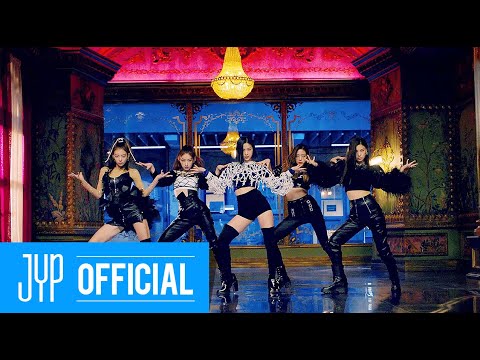
One of the most common ways fans discover a bias is almost accidental: while watching a full-group performance, you notice your eyes keep going back to the same member, even when they're not the center of the formation or the main focus of the camera. This isn't something you usually have to force — it tends to just happen with repeated viewing.
A simple way to test this without overthinking it: next time you watch a group's stage or music video, don't try to "look for" anyone specific. Just watch normally, and afterward, ask yourself who you remember most clearly — their expressions, a specific moment, a part of the choreography. That person is often a strong early signal for a bias, even if you hadn't consciously picked them.
Step 4: Give Yourself Permission to Have a "Bias Wrecker"
A "bias wrecker" is fan slang for a member who isn't your main bias, but who frequently makes you reconsider that ranking — usually through a specific moment, era, or piece of content that hits differently than expected. Having a bias wrecker is extremely common, and for many fans, the relationship between their bias and their bias wrecker shifts back and forth over time depending on comebacks, content, and even just mood.
If you find yourself thinking "wait, actually—" about a different member after watching something new, that's a completely normal experience and not a sign that you need to "switch" your bias officially. Many fans simply hold both — a primary bias and one or more bias wreckers — without ever needing to resolve it into a single, fixed answer.
Step 5: Keep the List Loose — and Let It Change
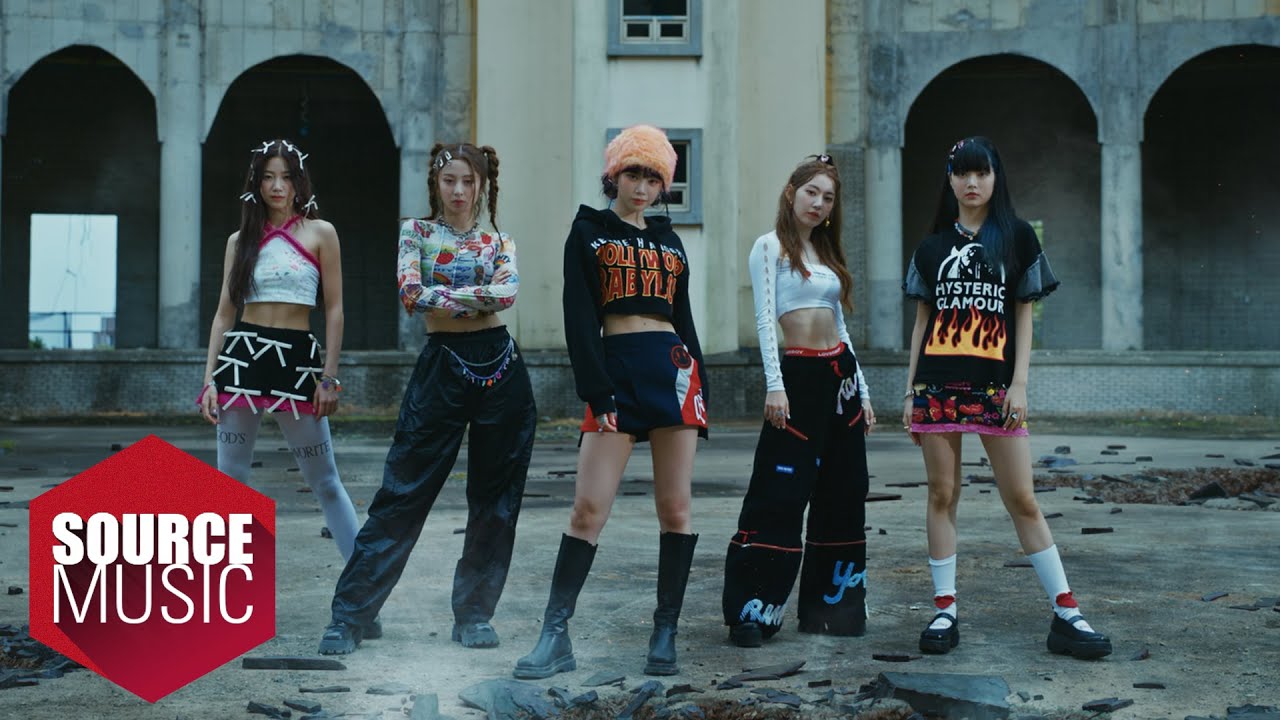
As you follow more groups, your "bias list" naturally becomes less of a single ranking and more of a loose mental map — one or two members per group who you tend to gravitate toward, without needing to compare them against each other across completely different groups. Trying to rank your bias from one group against your bias from a totally different group is rarely useful, since the comparison doesn't really mean anything outside of fun, casual conversation.
It's also worth normalizing that biases change — sometimes permanently, sometimes just for a specific era or comeback. A member's bias status can shift because of a standout performance, a variety show moment, a new concept that suits them especially well, or simply because you've discovered new content featuring a different member. None of this requires any kind of explanation or justification; it's simply part of how the fan experience evolves over time.
If you do want to keep some kind of record — for fun, or just to look back on later — a simple running note with one line per group ("Group name: currently leaning toward [member], but [member] in their last comeback was incredible") tends to work better than trying to build a single definitive ranked list. It captures how your interest actually moves over time, which is usually more interesting to look back on than a static list would be anyway.

Bias Glossary at a Glance
| Term | Meaning |
|---|---|
| Bias | The member of a group you're most drawn to |
| Bias Wrecker | A member (not your bias) who frequently challenges that ranking |
| Ultimate Bias | Your overall favorite member across every group you follow, if you have one |
| Multi-Bias | Having more than one bias within the same group, without ranking them |
| Bias List | An informal, often mental, running list of your biases across groups |
Frequently Asked Questions
Do I need to pick a bias to be a "real" fan?
No. Plenty of fans enjoy groups as a whole without a strong individual favorite, and that's just as valid a way to be a fan as having a clear bias.
Is it okay if my bias changes after a comeback?
Yes — this is extremely common. New concepts, hairstyles, vocal lines, or choreography assignments can all shift how a member comes across, and biases shifting with comebacks is a normal part of the fan experience.
What if I like two members in the same group equally?
That's called being "multi-biased," and it's common enough to have its own term — there's no rule requiring a single top pick within a group.
Can my bias be different from the group's most popular member?
Absolutely. Overall popularity and individual fan biases often don't line up, and that mismatch is part of what makes bias discussions interesting within fandoms.
Is there a "correct" amount of time before I should have a bias?
No — some fans develop a bias within their first few videos, while others follow a group for months before anyone stands out. Both timelines are completely normal.
Comments
Post a Comment