You're scrolling through K-POP content and someone says "4th gen hit different" or "she's a 3rd gen legend." You nod along — but what does it actually mean? K-POP generations aren't just a timeline. They describe an entire shift in sound, aesthetics, industry structure, and how fans connect with artists. Here's the complete breakdown, from the very beginning to what's happening right now.

TXT · 0X1=LOVESONG (I Know I Love You) · Big Hit Music · via YouTube
1 What Does "Generation" Mean in K-POP?
Unlike a strict 10-year calendar definition, K-POP generations are defined by industry turning points — a change in production style, distribution technology, or the way idols connect with fans globally. There's no official governing body that declares a new generation. It's an organic consensus among fans, journalists, and insiders.
Think of it like film eras: "Golden Age Hollywood" isn't about a specific year — it's about a cluster of shared characteristics. Same with K-POP generations.
2 1st & 2nd Generation: Where It All Started
1st Generation
Key artists: Seo Taiji and Boys, H.O.T, S.E.S, Shinhwa, g.o.d, BoA
K-POP was literally invented in this era. Seo Taiji and Boys fused American hip-hop and pop with Korean lyrics in 1992, shocking a domestic music scene built on ballads and trot. The idol system — managed training, synchronized performance, packaged image — was pioneered here. Exports were minimal; this was almost entirely a domestic phenomenon.
2nd Generation
Key artists: BIGBANG, Girls' Generation, Super Junior, Wonder Girls, 2NE1, SHINee, KARA, 4Minute, Miss A
This is the era most people associate with "classic K-POP." YouTube launched in 2005, and K-POP labels were among the first to use it aggressively. "Tell Me" by Wonder Girls became one of the first viral K-POP moments internationally. BIGBANG, Girls' Generation, and Super Junior built the overseas fandom architecture — fanclubs with official names, lightsticks, fansite culture — that still exists today.
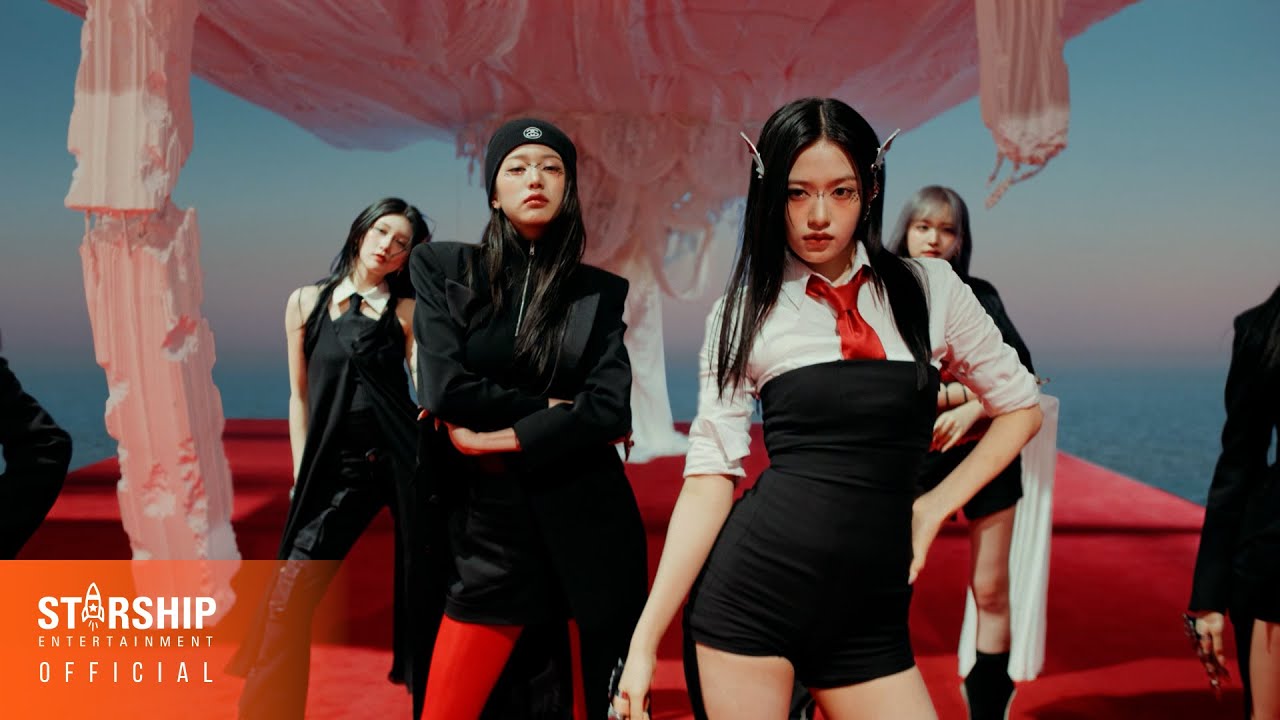
IVE · Accendio · Starship Entertainment · via YouTube
3 3rd Generation: The Global Breakthrough
3rd Generation
Key artists: BTS, EXO, BLACKPINK, TWICE, Red Velvet, GOT7, MAMAMOO, SEVENTEEN, Monsta X, Astro
This is the generation that took K-POP from "niche Asian interest" to global mainstream. BTS breaking the US market, BLACKPINK headlining Coachella (first announced for 2019), TWICE dominating Asia — all 3rd gen. Social media became a genuine promotional tool (not just an add-on), and the relationship between fans and artists became deeply parasocial in a way that changed the industry forever.
Production values, choreography complexity, and visual concept execution all hit new highs. 3rd gen is also when "concept albums" and lore-based storytelling (BTS's HYYH universe, for example) became industry standard.
4 4th Generation: The Current Era
4th Generation
Key artists: Stray Kids, ATEEZ, TXT, aespa, NewJeans, IVE, (G)I-DLE, ITZY, ENHYPEN, Le Sserafim, BABYMONSTER
4th gen idols debuted into a world where going global was the baseline expectation, not a milestone. TikTok replaced YouTube as the primary discovery platform. The "self-producing idol" became a selling point — Stray Kids' Bang Chan and Changbin write and produce their own music; (G)I-DLE's Soyeon does the same.
Aesthetically, 4th gen experimented more aggressively: aespa built a metaverse-connected lore, NewJeans leaned into 90s-Y2K minimalism as a counter to maximalist 3rd gen visuals. Fan interaction via platforms like Weverse became expected, not special.
Many 4th gen groups have now been active long enough to have their own "classic" eras — ATEEZ's Fireworks period and Stray Kids' God's Menu era are already considered definitive moments.
5 5th Generation: What's Coming Next
5th Generation (Emerging)
Key artists to watch: ILLIT, TWS, KISS OF LIFE, MEOVV, ZB1 (ZeroBaseOne), n.SSign, and dozens of 2024–2026 debuts
5th gen is still being defined. The consensus hasn't formed yet — many fans still include 2024 debuts in "4th gen." What's already notable: 5th gen groups are debuting with global fanbases on day one. The training period has shortened in some agencies. And AI-assisted music production is entering the conversation.
Whether 5th gen becomes a truly distinct era or gets absorbed into a "late 4th gen" category is something the next 2–3 years will decide.
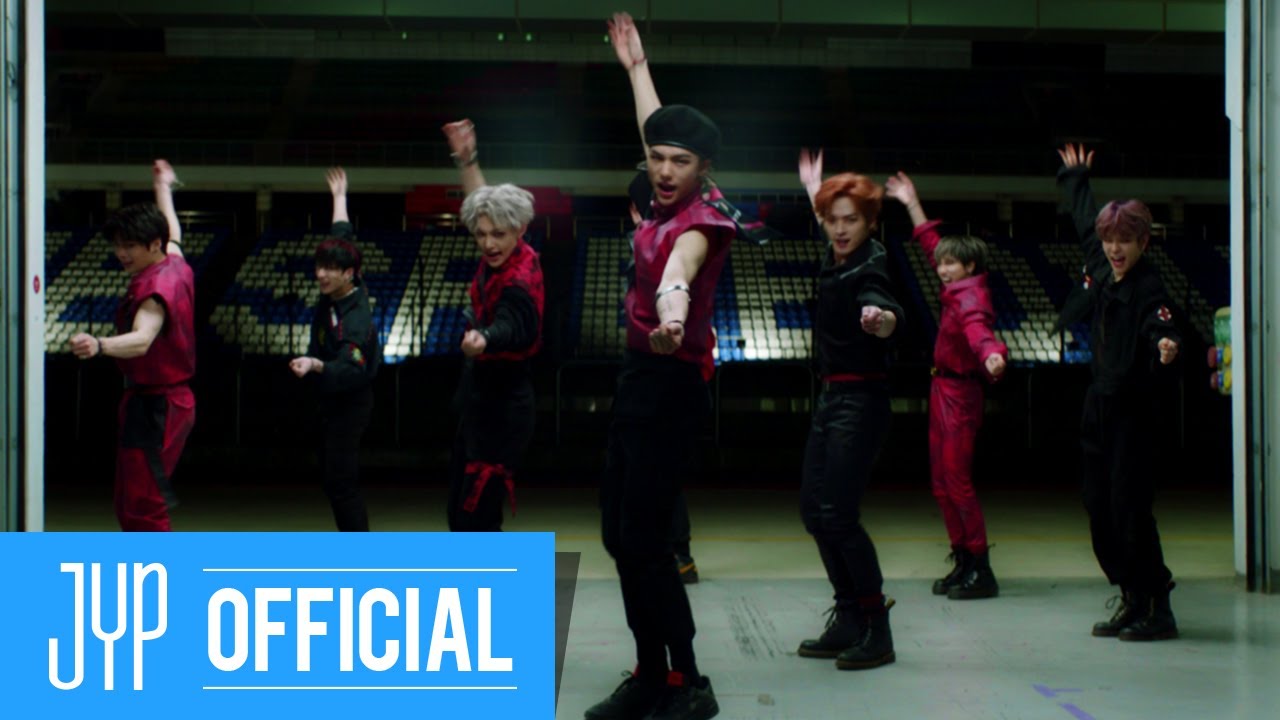
Stray Kids · God's Menu · JYP Entertainment · via YouTube
6 Quick Reference: All Generations at a Glance
| Generation | Approx. Years | Defining Feature | Key Artists |
|---|---|---|---|
| 1st Gen | 1992–2003 | Idol system invented; domestic market only | H.O.T, S.E.S, BoA, Shinhwa |
| 2nd Gen | 2003–2011 | YouTube era; first major overseas fanbases | BIGBANG, Girls' Generation, Super Junior, 2NE1 |
| 3rd Gen | 2012–2017 | Global mainstream; social media fandom; concept albums | BTS, EXO, BLACKPINK, TWICE, SEVENTEEN |
| 4th Gen | 2018–2023 | TikTok era; self-producing idols; global-first debut strategy | Stray Kids, ATEEZ, aespa, NewJeans, IVE |
| 5th Gen | 2024–present | Emerging; instant global fanbases; AI production debate | ILLIT, TWS, ZB1, MEOVV |
FAQ: K-POP Generations
Q: Can an artist be in two generations?
Yes, if they debuted at the boundary of two eras (e.g., late 2017 debut) fans sometimes debate which generation they belong to. Generally, you go by debut date and the industry context at the time.
Q: Is 3rd gen "better" than 4th gen?
This is one of K-POP's most passionate ongoing debates. 3rd gen had the benefit of being the first wave to go truly global, so the nostalgia factor is massive. 4th gen has higher production ceilings and more artistic autonomy. "Better" depends entirely on what you value.
Q: Who decides when a new generation starts?
No one officially — it's a fan and industry consensus that forms over time, usually retroactively. A group doesn't get labeled "4th gen" on debut day; that recognition builds over months or years as their impact becomes clear.
Q: Are 1st and 2nd gen groups still active?
Some are. Shinhwa is still releasing music. BoA continued solo activity through the 2020s. BIGBANG members returned in 2026 as part of the industry's "Year of the Great Return." The generation label refers to when they debuted, not when they stopped.
Q: Where does BTS fit — 3rd gen or their own category?
BTS is definitively 3rd gen (debuted 2013). They transcended the category to a degree that makes simple labeling feel inadequate, but they're correctly classified as 3rd generation by debut year and industry context.
Comments
Post a Comment