Who Are the Members of MAMAMOO?
MAMAMOO debuted on June 18, 2014, under RBW (then known as WA Entertainment) with the single "Mr. Ambiguous." Unlike many groups built around a strict visual hierarchy, MAMAMOO was built around vocal power — all four members are trained singers, and live performances are a core part of their identity. The group's name is often interpreted as a playful nod to their loud, confident energy, and over more than a decade of activity, they've become one of the most consistently respected vocal groups of their generation, frequently cited by other artists as an influence.
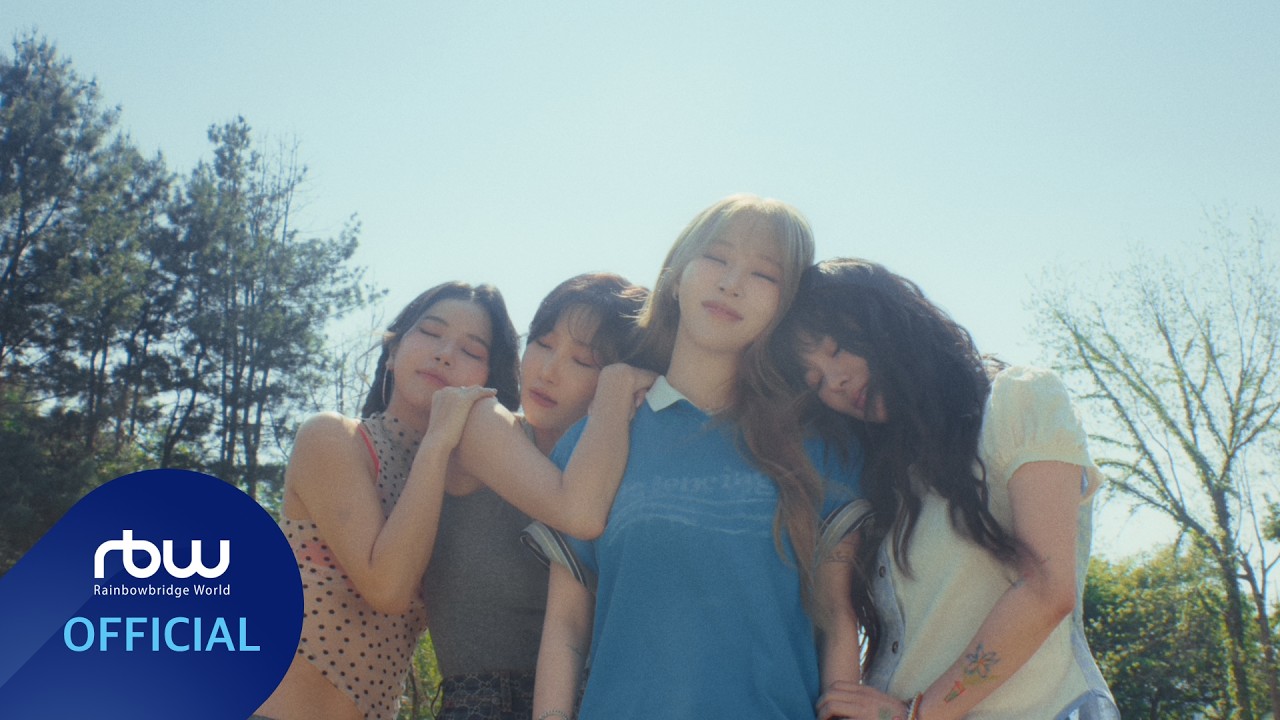
Before becoming MAMAMOO, the members were also featured as backing vocalists and collaborators on other artists' tracks — which is part of why their vocal training stood out so much from the start. Here's a quick introduction to each member:
What Makes MAMAMOO's Sound Different?
If you're coming from groups with a more uniform, EDM-heavy sound, MAMAMOO can feel refreshingly unpredictable. Across their discography, you'll find retro disco, jazz-influenced ballads, Latin pop, trap, and straightforward dance-pop — often within the same album cycle. This variety comes from their "4 Seasons, 4 Colors" project era, where each release was tied to a different season and mood, and it set the tone for a group that doesn't lock itself into one concept.
Another defining trait is live vocal ability. MAMAMOO is frequently praised for sounding nearly identical live as they do on record, and their harmonies — four distinct voices blending into one sound — are often highlighted as a group strength in award show performances and anniversary stages.
Their image also blends two things that don't always go together in K-POP: glamorous, confident performance concepts, and a comedic, down-to-earth presence on variety shows. New fans often discover MAMAMOO through a viral variety clip before ever hearing their music — and then go down a rabbit hole once they realize how strong the vocals actually are.
This combination has made MAMAMOO a fixture at year-end award shows for vocal-focused categories, and their anniversary concerts — often featuring acoustic or full-band arrangements of their discography — are frequently shared online as some of the best vocal showcases in the industry. If you want a quick gut-check on whether a group's reputation for "live vocals" is overstated or accurate, MAMAMOO is one of the groups most commonly used as the benchmark in that conversation.

MAMAMOO's Solo Careers: Why Each Member Has Their Own Fanbase Too
One thing that surprises new fans is how active MAMAMOO members are individually. It's common for K-POP group members to release solo music, but MAMAMOO's members have built genuinely separate followings — to the point where some listeners discover a member's solo work first and only later realize she's part of a group.
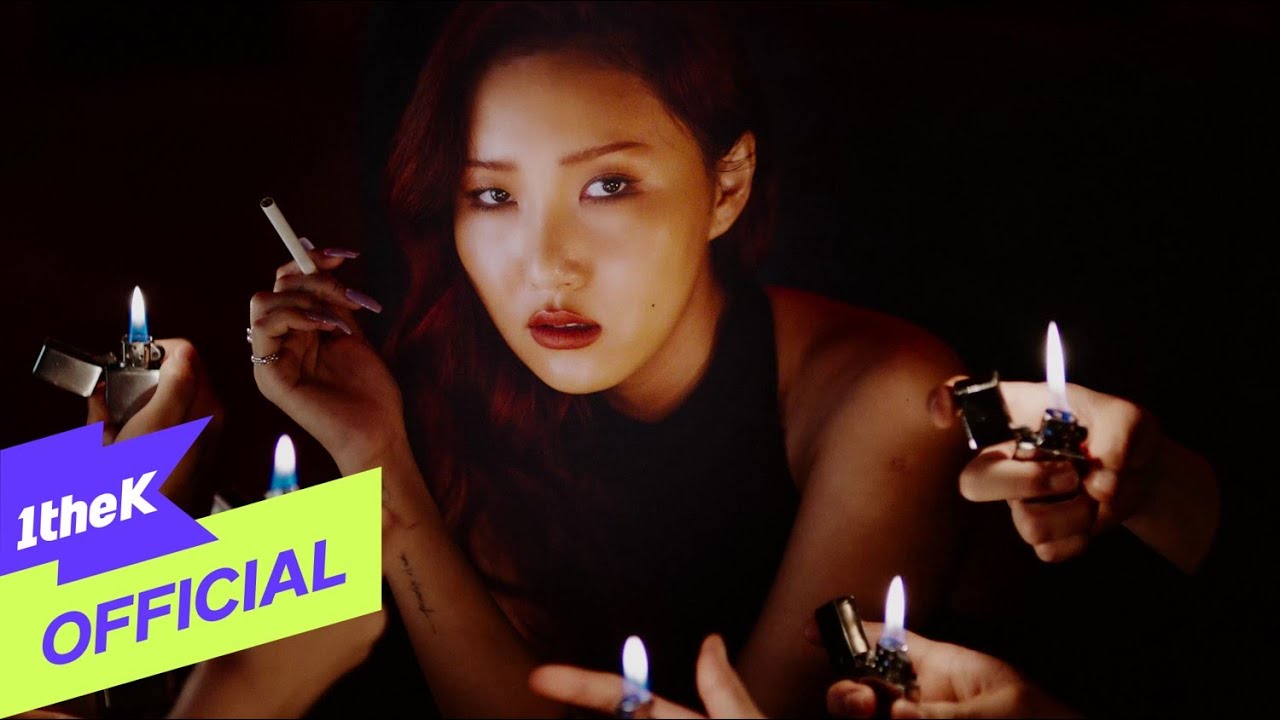
Hwasa is the clearest example of this. Her solo singles have performed strongly on international digital charts, with one music video becoming her first solo release to cross major YouTube view milestones — a rare feat for a K-POP soloist outside the group's own title tracks. Her solo sound leans into Latin pop and R&B influences, distinct from MAMAMOO's group concepts.
Solar, Moonbyul, and Wheein have also released solo albums and singles, each leaning into a different style — Solar toward clean pop-R&B, Moonbyul toward darker, more atmospheric production, and Wheein toward soulful, songwriting-driven tracks. For new fans, this means there's no single "correct" entry point: you might end up a fan of MAMAMOO as a group, or primarily a fan of one member's solo work, or both — and that's completely normal within this fandom.
Where Should New Fans Start? Essential Eras to Know
MAMAMOO's discography can feel intimidating because of how long they've been active. Here's a simple roadmap for getting oriented without needing to listen to everything at once:
- Start with one or two recent group title tracks to get a feel for their current sound and vocal tone.
- Listen to one song from the "4 Seasons, 4 Colors" era — this period is often cited by long-time fans as some of their most experimental and beloved work.
- Pick one solo track from a member who stands out to you on the group songs — this is often where fans find their personal favorite within the group.
- Watch a recent live stage or anniversary performance rather than just the studio music video — MAMAMOO's reputation is built heavily on live vocal performance, so this is where the group often makes the strongest first impression.
2026 is also a particularly good entry point. After a long gap without a full-group release, all four members reunited for a special single, marking their first complete-lineup comeback in close to four years — followed by a world tour. For new fans, this means there's a clear "starting point" release that current fans are also revisiting and discussing, making it easier to join ongoing conversations without needing years of back catalog knowledge first.

MAMAMOO Eras at a Glance
| Era / Release | Vibe | Good For |
|---|---|---|
| Early discography (2014-2016) | Retro, jazz, soulful ballads | Fans of classic vocal-driven pop |
| 4 Seasons, 4 Colors (2018-2019) | Disco, Latin, EDM — one concept per season | Fans who like variety and bold concepts |
| Member solo releases | Varies widely by member | Fans who want to follow one member closely |
| 2026 reunion (4WARD) | Warm, harmony-focused, full-group return | New fans joining current conversations |
Frequently Asked Questions
When did MAMAMOO debut?
MAMAMOO debuted on June 18, 2014, under RBW with the single "Mr. Ambiguous."
Do all four MAMAMOO members still promote together?
Yes. After a period focused on individual projects, the four members reunited as a full group for a 2026 special single, followed by a world tour — confirming that group activities continue alongside their solo careers.
Which MAMAMOO member is most popular internationally?
This varies by region and listener, but Hwasa's solo work has reached some of the largest international audiences among the members' individual projects, particularly through crossover hits on digital charts outside Korea.
Is MAMAMOO's music hard to get into for new listeners?
Not at all — if anything, the variety makes it easier to find a song that matches your taste. New fans are often encouraged to sample a few songs across different eras rather than starting strictly chronologically.
Do I need to listen to MAMAMOO's whole discography before the 2026 comeback to "get it"?
No. While longtime fans will pick up on callbacks to earlier eras, the 2026 reunion is designed to work as a standalone entry point, with its own promotional cycle, live stages, and tour — all of which are happening in real time and are easy to follow without prior context.
Comments
Post a Comment