If you've been exploring K-POP and looking for a girl group built around singing rather than synchronized dance formation, MAMAMOO is the answer. They aren't the typical K-POP girl group — and they never really tried to be. That's exactly why they're still here after twelve years.
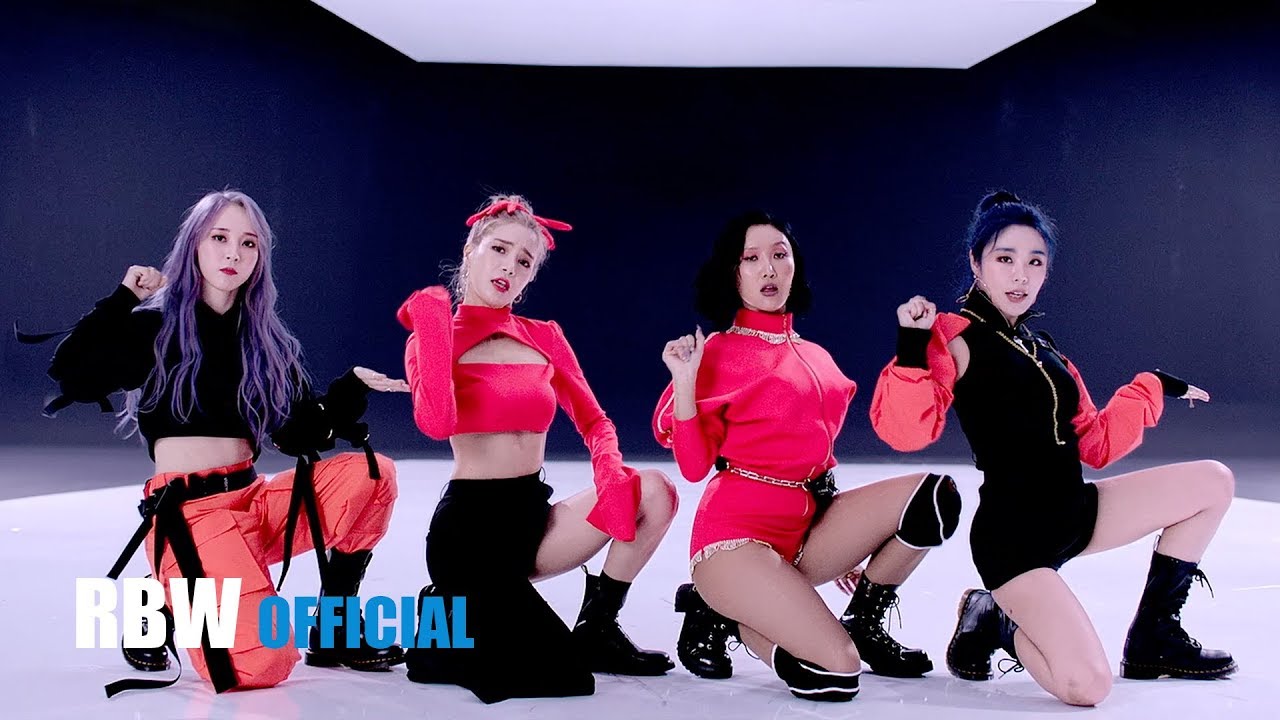
MAMAMOO · HIP · RBW Entertainment · via YouTube
Why MAMAMOO Is Different: The Core Argument
Most K-POP girl groups are built around a specific visual concept first, with vocal performance as a secondary consideration. MAMAMOO built their identity the other way around. All four members are considered strong vocalists — not just the "main vocal." Their live performances are routinely compared favorably to studio recordings, which is unusual in a genre where lip-syncing is standard practice.
Their sound draws from retro soul, jazz, R&B, and pop rather than the EDM-heavy or synth-pop template that dominates K-POP girl group releases. When MAMAMOO debuted in 2014, this positioned them as an outlier. By 2019, when retro aesthetics became mainstream in K-POP, MAMAMOO had already built a decade of credibility in the space.
They're also known for a chaotic, self-aware chemistry on stage — a group that visibly enjoys performing together, which translates into an energy their fandom (Moomoo) cites repeatedly as the reason they stayed fans for years.
The Four Members: Who Does What
Solar (Kim Yong-sun) — Main Vocalist
Solar is the most visually recognizable member and carries a significant solo career alongside group activities. Known for extraordinary vocal range and a bold, high-energy stage presence. Her YouTube channel (SOLARSIDO) built a massive personal following through comedy and variety content that contrasts with her serious vocal performances.
Moonbyul (Moon Byul-yi) — Main Rapper, Lead Dancer
MAMAMOO's sole rapper and a gender-nonconforming visual icon who helped define androgynous K-POP idol presentation. Her rap style leans into hip-hop authenticity rather than idol-rap conventions. Solo releases have pushed further into the hip-hop space, including frequent collaborations with producers outside the typical K-POP ecosystem.
Wheein (Jung Wheein) — Lead Vocalist, Main Dancer
A trained visual artist whose aesthetic sensibilities influence MAMAMOO's visual direction. Wheein's voice sits in a distinctive mid-tone range that provides balance to Solar's high-register dominance. Her solo work leans heavily into alternative R&B and has a different energy from her group persona — more introspective, less theatrical.
Hwasa (Ahn Hye-jin) — Lead Vocalist, Lead Dancer
The member most frequently discussed outside the K-POP core audience. Hwasa's solo single "Maria" (2020) — a self-acceptance anthem — gained mainstream traction beyond K-POP fandom. She's known for a provocative, confident stage persona that challenged prevailing K-POP girl group image norms. Among the four members, Hwasa has the largest presence in mainstream pop culture internationally.
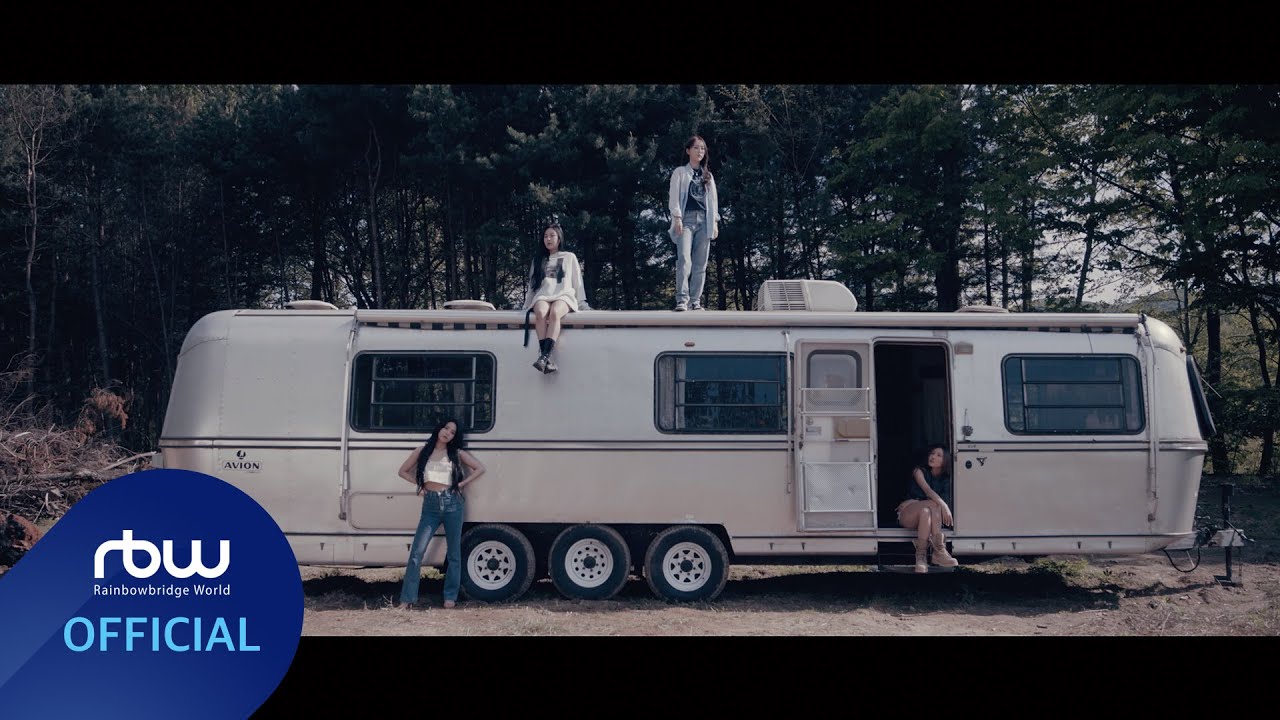
MAMAMOO · Where Are We Now · RBW Entertainment · via YouTube
Where to Start: 6 Songs in Order
1. "Mr. Ambiguous" (2014) — Debut track
Start here to hear what MAMAMOO sounded like before commercial polish. Jazz-inflected, vocally forward, slightly theatrical. Unusual for a K-POP girl group debut in the 2014 context.
2. "Um Oh Ah Yeah" (2015) — Breakout hit
The song that expanded their fanbase significantly. More accessible pop sound while retaining the retro feel. The choreography became a fan-interaction standard at concerts.
3. "HIP" (2019) — Mainstream peak
MAMAMOO's first Billboard World Digital Song Sales #1. Retro-hip-hop energy, a chorus built for crowd participation. The group's most recognizable song for fans outside Korea. Essential listen.
4. "Maria" by Hwasa (2020) — Solo that defines the era
Technically a solo release, but it represents the direction MAMAMOO's individual member work went in this period. Self-acceptance theme, bold production. Understand Hwasa through this.
5. "Where Are We Now" (2021) — Emotional anchor
Released for their 7th anniversary. A string-backed ballad that showcases what happens when all four members are given space to sing properly. If you want to understand why longtime fans describe MAMAMOO as a "vocal group," this is the evidence.
6. Current 2026 release — Entry into the present era
MAMAMOO's June 2026 full-group album marks their 12th anniversary. After a period of primarily solo activities, the full group's return is treated as a significant event in the K-POP calendar. Check their official channels for the latest title track to complete your entry into the current era.
ATEEZ · Fireworks (I'll Be the One) · KQ Entertainment · via YouTube
MAMAMOO in 2026: What's New
2026 marks MAMAMOO's 12th anniversary, and they're celebrating with their first major full-group release after an extended period of solo activities. The anniversary album is paired with a world tour — 26 cities across Asia, the Americas, and Europe — making it their largest international concert effort to date.
For new fans, this is an ideal time to enter the fandom. A tour announcement means fan community activity increases significantly, new merchandise is released, and the group's back catalog gets a fresh wave of discovery as new fans look up everything before the concert.
RBW Entertainment manages MAMAMOO. Follow their official Weverse and social channels for real-time updates on tour dates and album release information.
Quick Facts Table
| Detail | Information |
|---|---|
| Debut | June 18, 2014 |
| Label | RBW Entertainment |
| Members | Solar, Moonbyul, Wheein, Hwasa (4 members) |
| Fandom Name | Moomoo (무무) |
| Fandom Color | Yellow & Yellow-green |
| Generation | 3rd Generation |
| Known For | Vocal performance, retro-soul sound, stage chemistry, member individual personalities |
| Key Songs | HIP, Um Oh Ah Yeah, Where Are We Now, Piano Man, Yes I Am |
| 2026 Activity | 12th anniversary full-group album + world tour (26 cities) |
FAQ: MAMAMOO for New Fans
Q: Is MAMAMOO a good first K-POP group if I prefer actual singing over dancing?
Yes — probably the best option for that preference. Their identity is built around vocal performance first, and their discography holds up better on audio-only listening than most K-POP girl groups. If you like soul and R&B generally, the entry point is very natural.
Q: Are MAMAMOO still popular in 2026?
Yes, though their profile has evolved from chart-dominant to legacy-respected. Their fandom is loyal and active. The 2026 world tour is a significant commercial event. They're not competing on the same chart cycle as 4th gen groups, but they don't need to — they have a defined audience and consistent demand.
Q: Do I need to know all four members before getting into MAMAMOO?
No. Many fans enter through a single member — often Hwasa due to mainstream exposure, or Solar due to variety content — and build out from there. The group's chemistry rewards knowing all four, but there's no mandatory order.
Q: What's the difference between MAMAMOO and a typical K-POP girl group?
Structurally: all four members can sing, none are primarily "visual" or "dance" members in the traditional idol role sense. Sonically: retro influences over current trends. Image-wise: they have always presented as adult women with comedic self-awareness rather than ethereal girl concepts. This made them unusual in 2014; it makes them distinctive in 2026.
Comments
Post a Comment