Girl crush concepts lean into power, edge, and confidence — think sharp choreography, darker color palettes, and "don't mess with us" attitude. Cute concepts (sometimes called "aegyo" concepts) lean into innocence, brightness, and playful charm — pastel colors, bubbly choreography, and wide-eyed expressions. Most groups actually rotate between both depending on the era, so learning to spot the signals matters more than memorizing which group "is" which.
What Is the "Girl Crush" Concept?
"Girl crush" is a K-pop industry term for a concept built around confidence, dominance, and edge rather than cuteness or romance. It emerged strongly in the 2010s as an alternative to the innocent "girl next door" image that dominated earlier girl group eras, and it's now one of the two dominant visual languages in the industry.
Musically, girl crush tracks tend to favor hip-hop and trap-influenced beats, minor-key hooks, and lyrics about self-assurance rather than crushes or heartbreak. Choreography is sharp and synchronized, often built around powerful formations, hard hits, and confident eye contact with the camera rather than soft, flowing movement. Styling usually pulls from streetwear, leather, structured tailoring, or all-black looks, and color grading in the music video tends toward high contrast, cool tones, or deep saturated reds and blacks.
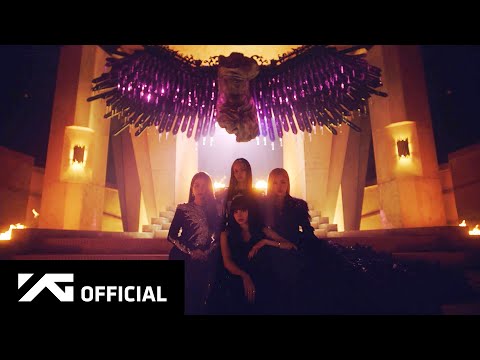
BLACKPINK – "How You Like That" – YG Entertainment – via YouTube
BLACKPINK is the group most credited with taking girl crush global, but the concept existed before them and has been used by dozens of groups since. The key thing to remember: girl crush isn't about being unfriendly or cold in real life — it's a stage persona built to project strength.
What Is the "Cute" Concept?
The cute concept (also called aegyo concept, from the Korean word for "charming/endearing behavior") leans into innocence, brightness, and approachability. Where girl crush says "don't test me," cute concepts say "come have fun with us."
Musically, cute tracks favor bubblegum pop, brighter major-key melodies, and lyrics about crushes, friendship, or simple joy. Choreography includes point dances — small, repeatable, camera-friendly hand or facial movements tied to the chorus, designed so fans can learn and mimic them easily. Styling tends toward pastel colors, school-uniform-inspired or A-line silhouettes, and softer hair and makeup. Color grading is brighter and warmer, often with saturated pastels or candy-toned sets.
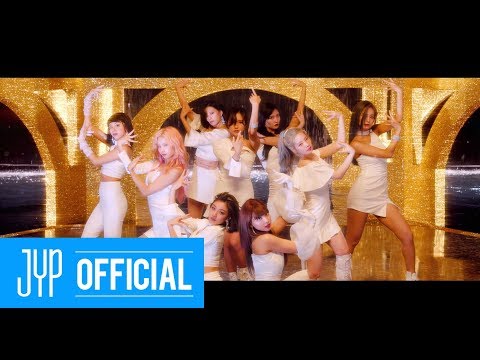
TWICE – "Feel Special" – JYP Entertainment – via YouTube
Cute concepts are often misunderstood by new fans as less serious or less skilled, but the point dance format alone requires extremely tight synchronization, and many cute-concept title tracks are some of the most commercially successful songs in K-pop history precisely because they're built for mass, easy engagement.
How to Tell Them Apart at a Glance
If you're only watching a 30-second clip and need to guess fast, check these four signals in order: color palette, choreography shape, camera interaction, and lyric theme. A dark or monochrome palette with sharp, angular choreography and direct camera stares usually signals girl crush. A pastel or candy palette with small repeatable hand gestures and playful group formations usually signals cute.
Don't assume a group is "locked" into one concept forever. Almost every major girl group has done both — TWICE has girl crush eras (like "Feel Special" arguably sits between the two, and tracks like "CRY FOR ME" lean fully girl crush), and even BLACKPINK has done softer visual moments in individual member content. Concept is chosen per comeback, not per group identity.
Groups Known for Each Concept
Some groups build most of their discography around one concept because it matches their overall artist branding, even while individual title tracks flex in either direction.
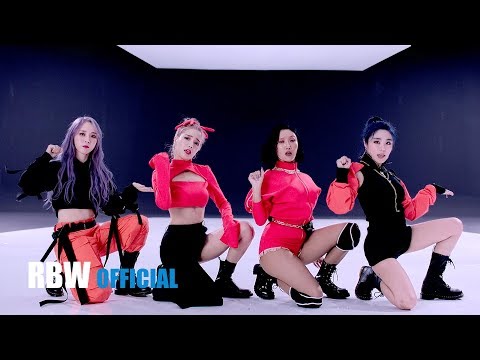
MAMAMOO – "HIP" – RBW – via YouTube
MAMAMOO is a useful case study because they move between girl crush, retro, and cute concepts almost every comeback, which is part of why fans often describe them as "genre-less." Meanwhile, groups built around a bright, youthful group identity from debut tend to return to cute concepts more often, even when they experiment elsewhere.
| Signal | Girl Crush | Cute |
|---|---|---|
| Color palette | Black, red, high contrast | Pastels, candy tones |
| Choreography | Sharp, angular, powerful formations | Point dances, repeatable gestures |
| Camera interaction | Direct stare, confident | Playful, winking, group eye contact |
| Lyric theme | Confidence, dominance, self-worth | Crushes, friendship, simple joy |
| Genre lean | Hip-hop, trap, minor-key hooks | Bubblegum pop, major-key melodies |
FAQ
Is "girl crush" only for girl groups?
The term originated with and is used almost exclusively for girl groups. Boy groups have comparable concept splits (often called "boy crush" or simply "concept eras"), but the specific label "girl crush" is a girl-group term.
Can a group do both concepts in the same era?
Yes — many albums include a girl-crush-leaning title track alongside cute or romantic B-sides, or vice versa, so a single comeback can showcase both sides of a group's range.
Which concept is more popular right now?
Neither dominates permanently; it cycles. Girl crush surged heavily in the late 2010s and had a strong resurgence in 2026 as several groups leaned into powerful comeback concepts, while cute concepts remain a reliable choice for debut and rookie-era songs because they're easy for new fans to latch onto quickly.
Comments
Post a Comment