SEVENTEEN is a 13-member K-pop group under Pledis Entertainment (now part of HYBE) that debuted in May 2015. What sets them apart from almost every other act in the industry: they write, compose, and choreograph the majority of their own music — earning the nickname "self-produced idols." Divided into three performance units (vocal, hip-hop, performance), they operate like a creative collective as much as a pop group. With over 14 million album sales and a global fandom called CARAT, they're one of the most commercially successful and critically respected acts of their generation.
Who Is SEVENTEEN? The Basics Every New Fan Needs
SEVENTEEN debuted on May 26, 2015, under Pledis Entertainment with 13 members — an unusually large group by any standard. The name "SEVENTEEN" comes from a formula: 13 members + 3 units + 1 team = 17. It's the kind of intentional layering that defines how the group communicates with fans: everything has meaning, and discovering that meaning is part of the fan experience.
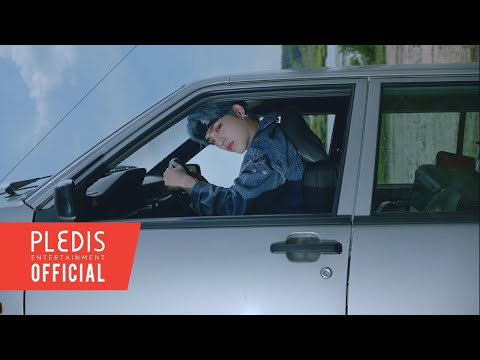
SEVENTEEN · Left & Right · Pledis Entertainment · via YouTube
The 13 members are S.Coups, Jeonghan, Joshua, Jun, Hoshi, Wonwoo, Woozi, DK, Mingyu, The8, Seungkwan, Vernon, and Dino. For new fans, the member count can feel overwhelming — 13 is a lot of names and faces to learn at once. Most CARAT (the official fandom name) veterans recommend starting with the unit that matches your taste in music, then letting the personalities pull you toward specific members naturally.
Pledis Entertainment was acquired by Big Hit (now HYBE) in 2020, which significantly boosted SEVENTEEN's global reach through HYBE's distribution infrastructure, Weverse platform access, and international marketing muscle. Despite the corporate shift, SEVENTEEN retained their creative autonomy — a point the members have publicly emphasized.
Their fandom CARAT — named after the unit of measurement for diamonds, because fans are like jewels — is known for being one of the most organized and passionate in K-pop. CARAT consistently drives strong first-week album sales (multiple albums have exceeded 2 million copies sold in their first week) and maintains a highly active presence across fan platforms globally.
How the Three-Unit System Works
SEVENTEEN's three-unit structure is one of the most distinctive organizational systems in K-pop. Each unit has its own sonic identity, performance style, and sub-releases — meaning fans essentially get three distinct artistic experiences within one group.

SEVENTEEN · HOT · Pledis Entertainment · via YouTube
The unit system means SEVENTEEN can release music more frequently than most groups — when the full group isn't promoting, individual units can put out their own tracks, EPs, or concert tours. For fans, it creates a near-constant stream of content to engage with.
SEVENTEEN's Discography: Where to Start
With over a decade of releases, SEVENTEEN's catalog can be intimidating for a new fan. Here's a practical entry map organized by era and accessibility.
| Era / Release | Why Start Here | Key Track |
|---|---|---|
| Al1 (2017) | The album that defined their sound — bright, energetic, self-produced pop at its most confident | Don't Wanna Cry |
| You Make My Day (2018) | More polished production, great introduction to their vocal range and emotional depth | Oh My! |
| An Ode (2019) | Their artistic peak for many fans — ambitious concept, cohesive storytelling | Fear |
| Attacca (2021) | Short EP, easy entry point — "Rock with You" became a fan-favorite anthem | Rock with You |
| Face the Sun (2022) | Their global breakout — "HOT" and "Darl+ing" introduced them to millions of new fans | HOT / Darl+ing |
| Spill the Feels (2023) | More recent entry point with a mature, emotionally direct sound | Super |
If you want a single-song entry point, "Left & Right" (2020) is widely recommended by existing fans as the track most likely to convert casual listeners into CARaTs. It's bright, melodically immediate, and showcases the group's full ensemble dynamic in under four minutes.
Why Self-Produced Groups Are Different — and Why It Matters
Most K-pop groups work with external songwriters, producers, and choreographers hired by their agency. The idol performs the material; the creative work happens elsewhere. SEVENTEEN broke from this model almost from the beginning. Woozi writes and produces the majority of their music. Hoshi creates their choreography. Members write their own rap verses. The creative ownership is genuine, not cosmetic.

BTS · Dynamite · Big Hit Music · via YouTube — Another group known for member-driven creative input
Why does this matter to fans? Several reasons. First, the music has a coherent identity that evolves as the members themselves evolve — you're watching actual artistic growth, not just stylistic rebranding by an agency. Second, when members discuss their work in interviews, they're speaking from genuine creative investment, which produces more interesting and authentic content. Third, the fandom relationship feels different when the group you support is the same group making the art you love — there's no intermediary.
SEVENTEEN is often compared to BTS in this regard — both groups are known for member-driven creative output in an industry that typically keeps that role with agency producers. Stray Kids (Bang Chan, Changbin, and Han form the production unit 3RACHA) follows a similar model. These groups tend to build particularly loyal fandoms because the parasocial investment tracks with real artistic authorship.

Stray Kids · God's Menu · JYP Entertainment · via YouTube — Self-producing group comparison
The commercial results back it up. Self-produced groups consistently rank among the highest earners in terms of album sales, concert ticket demand, and fandom longevity. When fans feel the group's identity is authentic and member-driven, they invest longer and more deeply.
New to SEVENTEEN and not sure which member to bias first? Watch the "Going Seventeen" series on YouTube — it's their long-running variety show and it's genuinely one of the funniest things in K-pop. Most fans who say "I can't pick a bias" find one within two episodes. The episodes are fully subtitled in English and the group's dynamic is immediately clear: Seungkwan and Vernon are chaotic, Hoshi is a menace in the best way, and Woozi is quietly the most competitive person in the room.
Frequently Asked Questions
Is SEVENTEEN considered 3rd gen or 4th gen K-pop?
SEVENTEEN debuted in 2015, which places them firmly in the 3rd generation of K-pop — alongside groups like MONSTA X, ASTRO, and GOT7. However, their longevity and continued commercial peak well into the 4th gen era (2019–2022) means they're often discussed alongside 4th gen acts. They're one of the clearest examples of a 3rd gen group that didn't just survive the generational transition — they thrived through it.
How many members does SEVENTEEN have, and do any speak English?
SEVENTEEN has 13 members. Vernon (Hansol Vernon Chwe) was born in New York and is fully bilingual in English and Korean — he's the most naturally fluent English speaker in the group. Joshua (Hong Jisoo) grew up in Los Angeles and is also highly proficient in English. Both frequently communicate directly with international fans in English on social media and during global tour stops.
What is the CARAT fandom and how do I join?
CARAT is SEVENTEEN's official fandom name. You can join the official fan club through Weverse — there's typically an annual membership that provides access to exclusive content, early ticket pre-sales for concerts, and the official lightstick (called the Carat Bong). You don't need a paid membership to consider yourself a CARAT, though — following their official accounts and engaging with their content is enough to be part of the community.
What does "self-produced" actually mean for SEVENTEEN?
It means members are credited as the actual songwriters, composers, and choreographers on their releases — not as a branding claim, but as a production reality. Woozi (Lee Jihoon) has composing or writing credits on the vast majority of SEVENTEEN's discography. Hoshi creates or co-creates choreography for most of their title tracks. This is verified through official credits on platforms like MelOn, Bugs, and Apple Music.
Where should a new fan start with SEVENTEEN's content?
Start with "Left & Right" or "HOT" on YouTube for the music, then go to the Going Seventeen playlist on their official channel for personality content. If you want to understand the unit system faster, search for individual unit releases — the Performance Unit's "HIT" and the Vocal Unit's "Fast Pace" are great starting points. Give it a week of casual watching before deciding who your bias is.
Comments
Post a Comment