In This Article
Japan Is K-Pop's Second-Biggest Market — the Numbers
South Korea and Japan have remained the two largest markets for K-pop consumption for years running, based on YouTube view data tracked by industry analysts. Japan's K-pop-related YouTube views grew from 4.06 billion in 2022 to 4.95 billion in 2024 — a three-year compound annual growth rate of roughly 10.3%. That's slower growth than some newer markets, but the raw spending power hasn't gone anywhere: Japan's overall recorded music industry is worth around $7 billion a year, and Japanese fans still buy physical CDs at rates most other markets abandoned a decade ago. For a K-pop group, that combination — a huge, loyal audience with real purchasing habits — is worth a dedicated release strategy.
Step 1: Release Japanese-Language Versions of Songs
The most common entry point is re-recording an existing title track in Japanese, or releasing a Japan-only single alongside the Korean comeback cycle. This isn't a full translation exercise — labels typically adapt the lyrics to fit the melody and local listening habits rather than translating word-for-word. It signals investment to Japanese fans without requiring a brand-new song, and it's usually the first move a group makes before anything more elaborate.

aespa — "KISS N TELL" Japan Teaser (2026) · SM Entertainment · via YouTube
Step 2: Build Japan-Specific Subunits or Debut Groups
Some agencies go further and form subunits built around members who are fluent in Japanese or have ties to the market. TWICE's Misamo — made up of Japanese members Mina, Sana, and Momo — is the clearest example, and it's a big part of why TWICE has held one of the strongest girl-group positions in Japan since 2023. It's a longer-term investment than a one-off single, but it builds a dedicated fanbase that isn't just borrowing attention from the group's main Korean activities.

TWICE — "FANCY" Official MV (2019) · JYP Entertainment · via YouTube
Step 3: Work the Physical-Media and Oricon System
Japan's music charts, led by Oricon, still weight physical album sales heavily, unlike most Western markets that have shifted almost entirely to streaming. That's why K-pop comebacks aimed at Japan tend to launch multiple physical album versions — Limited, Poster, and Store-exclusive editions are standard — timed to maximize first-week Oricon rankings. Rookie groups have used this same playbook to break through fast: ILLIT's Japanese single reportedly became the most-streamed Oricon track from a non-Japanese female act in its category, built on the same release-and-chart strategy larger groups established years earlier.
Step 4: Lock It In With Japan Tours
The final step is touring. A Japanese single or album cycle is usually followed, sometimes within the same year, by arena or dome dates in cities like Tokyo, Osaka, and Nagoya. Groups with the strongest Japan presence — SEVENTEEN, TWICE, Stray Kids — have sustained multi-year touring schedules there, which is a large part of why they're able to hold consistent chart positions instead of spiking around a single release and fading.
Where aespa's "KISS N TELL" Fits In
aespa's July 24, 2026 release of "KISS N TELL," their first-ever Japanese mini album, checks the first box of this playbook directly — it's their first dedicated Japan release in roughly two years, since 2024's "Hot Mess." The rollout has leaned into a distinct visual concept (teasers have highlighted a bold pink aesthetic shift), and it lands just ahead of aespa's "SYNK: COMPLæXITY" world tour, which kicks off August 7, 2026 — lining up with the touring step that tends to follow a market-specific release. Given aespa's rapid climb in Japan alongside groups like IVE and LE SSERAFIM in recent years, this looks less like a one-off and more like the start of a sustained push.
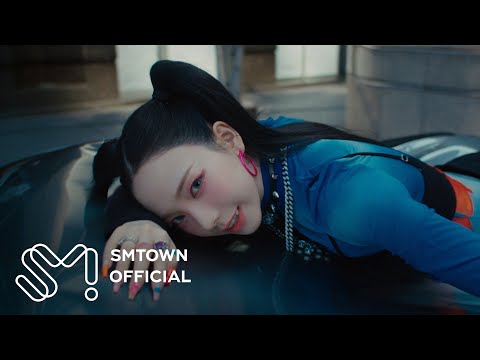
aespa — "Black Mamba" Official MV (2020) · SM Entertainment · via YouTube
| Strategy | Example Group | What It Looks Like |
|---|---|---|
| Japanese-language single/version | aespa ("KISS N TELL") | Dedicated Japan release cycle alongside Korean activities |
| Japan-specific subunit | TWICE (Misamo) | Members who are Japanese or Japan-based promote as a standalone act |
| Oricon-focused physical releases | ILLIT | Multiple album versions timed for first-week chart impact |
| Sustained touring | SEVENTEEN, Stray Kids | Multi-year arena/dome tour schedules that keep the market active |
Comments
Post a Comment